





Uncategorized
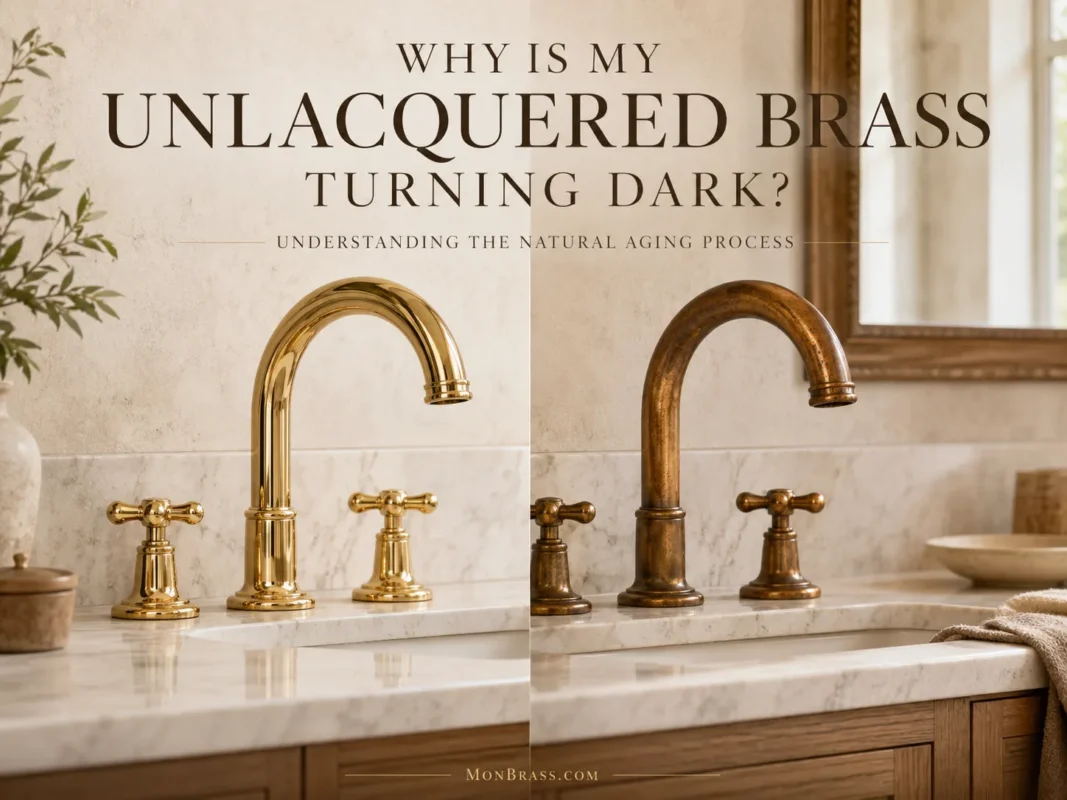
Why Is My Unlacquered Brass Turning Dark? Understanding the Natural Aging Process
Jun
There’s a moment almost every homeowner experiences after installing unlacquered brass fixtures. You carefully choose a beautiful brass faucet, cabinet handle, or shower fixture because of its warm golden glow. A few weeks or months later, you notice dark spots, uneven coloring, or a deeper bronze tone creeping across the surface. Suddenly, you’re wondering: Why is my unlacquered brass turning dark?
The short answer is simple: it’s supposed to. Unlike coated or lacquered finishes, unlacquered brass is designed to react with its environment. Exposure to air, moisture, skin oils, water minerals, and everyday use gradually transforms the surface, creating a rich, living finish known as a patina.
For many people, that aging process is the entire appeal. But if you weren’t expecting the change, it can be surprising. Understanding why it happens—and what you can do to influence it—will help you enjoy your brass fixtures rather than worry about them.
Why Is My Unlacquered Brass Turning Dark?
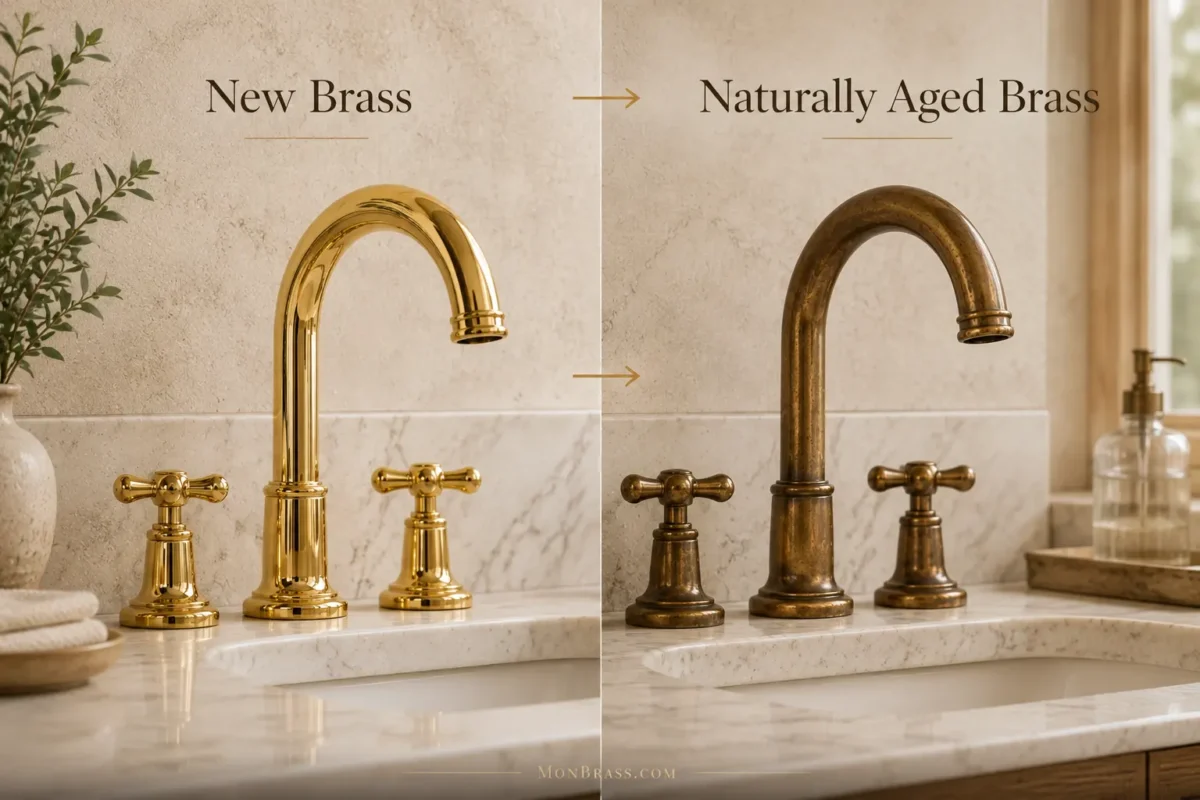
The darkening you see is a completely natural chemical reaction called oxidation. Brass is an alloy primarily made of copper and zinc. When the metal is exposed to oxygen, humidity, and other environmental elements, the copper component reacts and gradually forms a protective layer on the surface.
Unlike rust, which can damage iron and steel, this patina is generally beneficial. It helps shield the underlying metal while giving brass its distinctive aged appearance.
Think of it like a well-worn leather jacket or a pair of raw denim jeans. The material develops character over time, and every mark reflects the way it has been used. Two identical unlacquered brass faucets installed on the same day can age completely differently depending on where they are located and how often they are touched.
What Causes Unlacquered Brass to Darken Faster?
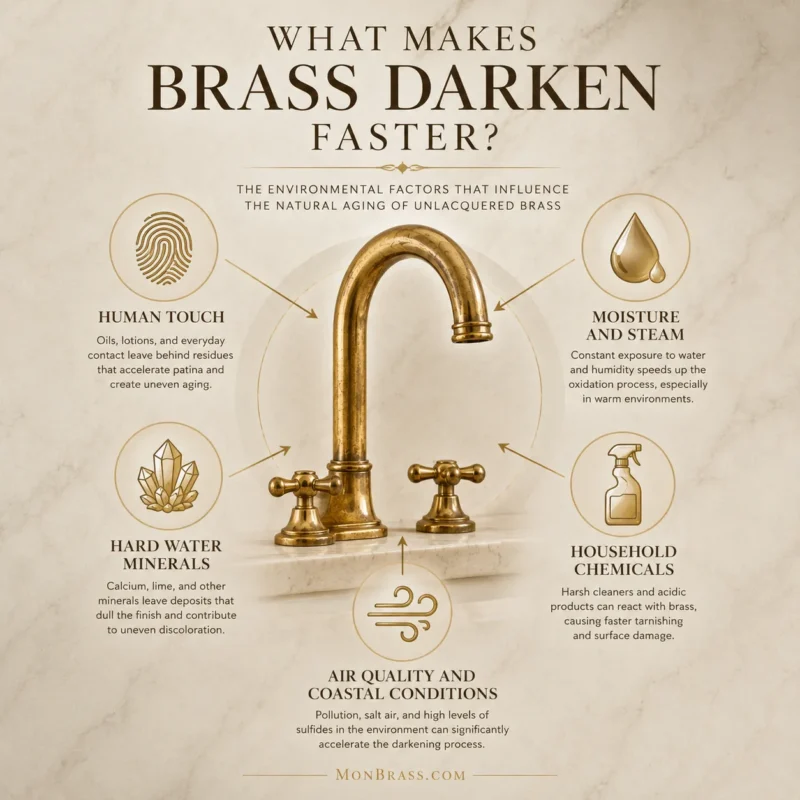
Not all brass ages at the same speed. Several everyday factors influence how quickly the finish changes.
Frequent Touching
One of the biggest factors is human contact. The natural oils, sweat, and acids on your skin react with the brass surface. Cabinet pulls, door handles, and faucet handles often darken around the areas people touch the most.
You might even notice fingerprints appearing temporarily after installation. Over time, these blend into the broader patina, creating a more uniform aged look.
Exposure to Moisture
Bathrooms, kitchens, and outdoor spaces naturally have higher humidity levels. Water droplets left on the surface, steam from showers, and even changes in seasonal humidity can speed up oxidation.
For example, a kitchen faucet used dozens of times a day will usually develop color variation much faster than a decorative brass shelf bracket mounted in a dry hallway.
Minerals in Water
Hard water contains dissolved minerals such as calcium and magnesium. When water evaporates, these minerals remain behind, interacting with the brass surface and sometimes creating darker or uneven patches.
This is one reason homeowners in different regions often report different aging patterns, even when they purchase the exact same fixture.
Household Chemicals
Cleaning sprays, acidic substances, and certain soaps can all affect how brass ages. Some products accelerate darkening, while others may interfere with the appearance of developing patina.
Using unsuitable cleaning products is one reason brass can sometimes develop an uneven appearance.
Air Quality and Environment
Believe it or not, the air inside and outside your home matters. Coastal homes, for instance, often experience faster brass aging because of salt in the air. Urban environments with more airborne pollutants may also encourage quicker oxidation than dry inland locations.
Is Darkening a Sign That Something Is Wrong?
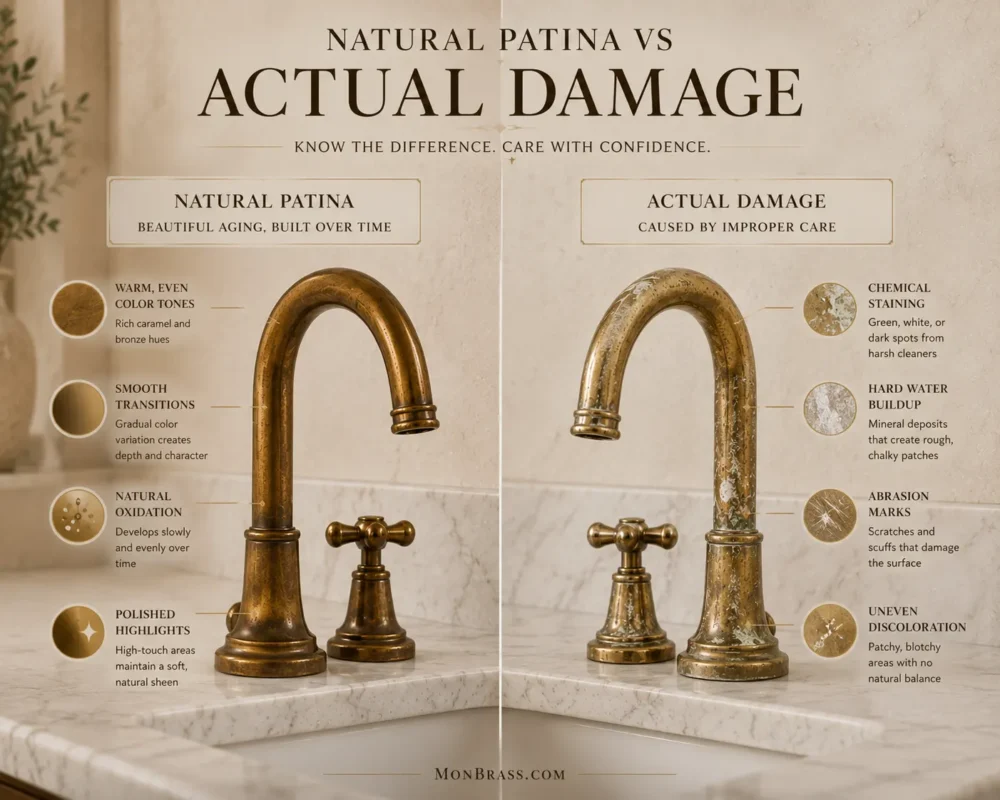
In almost every case, no. Darkening is a sign that your unlacquered brass is behaving exactly as intended.
Many people confuse natural patina with damage because they are used to finishes that remain identical year after year. Lacquered brass is sealed with a clear protective coating to preserve its original shine. Unlacquered brass has no such barrier, allowing the surface to evolve naturally.
If you specifically purchased unlacquered brass, the changing color is not a defect or a manufacturing issue. It is one of the defining characteristics that makes the finish so popular in traditional, farmhouse, and luxury interior design.
The only time you should be concerned is if you notice signs of actual physical damage, such as deep corrosion caused by prolonged chemical exposure or mechanical wear from abrasive cleaning.
What Does the Patina Process Look Like?
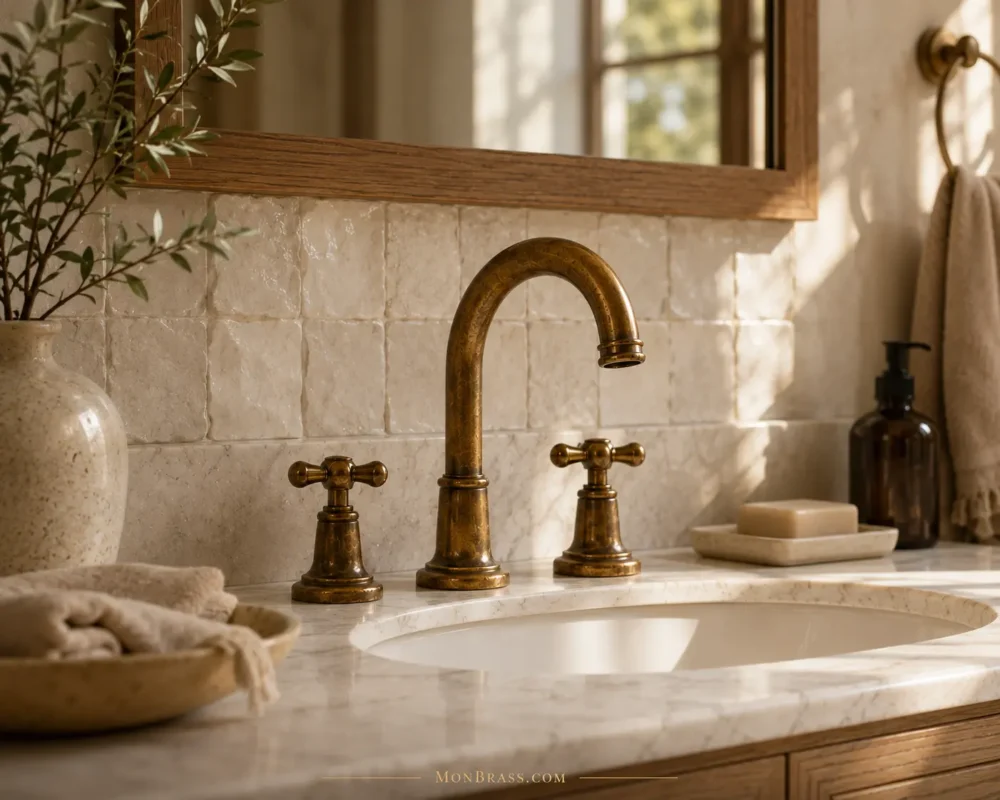
The aging process usually happens gradually rather than overnight. While every environment is different, brass typically develops increasing depth, variation, and character over time.
Areas exposed to more moisture or frequent handling often darken sooner than less-used surfaces. As the finish continues evolving, the appearance becomes increasingly unique to the fixture and its surroundings.
Some homeowners enjoy watching this transformation happen naturally, while others prefer to maintain a brighter appearance. Either approach is valid, but understanding that variation is normal helps set realistic expectations.
If you’re curious about how the finish changes over time, the different patina stages can provide additional context.
Can You Prevent Unlacquered Brass From Turning Dark?
Technically, yes—but doing so goes against the very purpose of choosing unlacquered brass.
The only way to completely prevent oxidation is to create a barrier between the metal and the environment. That typically means applying a clear lacquer or protective coating. However, once brass is sealed, it no longer behaves like true unlacquered brass.
While certain maintenance habits may slow the rate of visible change, some degree of darkening is inevitable because the metal remains exposed to its surroundings.
Should You Clean the Patina Off?
That depends entirely on the look you want.
Some homeowners intentionally preserve every bit of aging because they appreciate the warm, antique character it creates. Others prefer to maintain a brighter appearance from time to time.
The key distinction is that routine cleaning removes everyday residue, while polishing changes the appearance of the developed surface.
Whether you preserve the patina or periodically reduce it comes down to personal preference rather than a right or wrong approach.
Many homeowners choose cleaning methods that allow them to maintain the fixture while preserving the character that develops over time.
Common Mistakes That Make Brass Look Worse
Sometimes the issue isn’t that the brass is darkening. It’s that well-intentioned maintenance creates uneven results.
Here are a few common mistakes to avoid:
Using Abrasive Scrubbers
Steel wool, rough scouring pads, and stiff brushes can scratch the surface and remove patina unevenly.
Cleaning Only One Spot
Trying to remove a single fingerprint or water mark often leaves behind a bright patch that contrasts with the surrounding aged finish.
Using Strong Chemical Cleaners
Bleach, ammonia-based products, and aggressive cleaners can react unpredictably with unlacquered brass.
Expecting Perfect Uniformity
Natural patina is rarely even. Areas exposed to more moisture or more frequent contact will always age differently. In many ways, those variations are what give the material its charm.
Can You Restore the Original Shine?
In many cases, yes.
One advantage of unlacquered brass is that homeowners are not permanently committed to a single appearance. A fixture that has developed a darker patina can often be refreshed to achieve a brighter look.
The specific approach depends on the condition of the brass and the appearance you want to achieve. Regardless of the method used, the natural aging process will continue afterward.
Can You Make Unlacquered Brass Age Faster?
Some homeowners actually prefer the opposite outcome and want a more established appearance sooner.
Environmental conditions naturally influence how quickly brass develops character, which is why some fixtures darken faster than others. While the process can be influenced to some degree, results vary from one environment to another.
Whether you encourage faster aging or prefer a slower transformation, the finish will continue evolving throughout the life of the fixture.
FAQ
Does unlacquered brass always turn dark?
Yes. Because there is no protective lacquer coating, oxidation naturally occurs over time. The speed and final appearance depend on factors like humidity, use, and environmental conditions.
Why is my brass faucet darker in some places than others?
Areas that are touched more often or exposed to more water usually age faster. Oils from your hands and mineral deposits from water create natural variation across the surface.
Is dark patina the same thing as rust?
No. Brass does not rust because it does not contain iron. The dark layer you see is oxidation, which forms a protective patina rather than destructive rust.
Will cleaning my brass fixtures remove the patina?
Routine cleaning generally does not significantly change the appearance of the finish. More aggressive polishing can alter or remove some of the developed patina.
Can unlacquered brass be refinished if I change my mind?
Yes. Depending on the condition of the fixture, it is often possible to refinish or restore the surface.
How often should I clean unlacquered brass fixtures?
The ideal frequency depends on how the fixture is used and the appearance you want to maintain. Most homeowners find that occasional routine cleaning is sufficient.
Conclusion
Watching unlacquered brass change color can be unexpected if you’re used to finishes that stay the same forever. But that gradual darkening isn’t a flaw—it’s the defining feature that gives the material its timeless appeal. Every fingerprint, splash of water, and passing season contributes to a finish that becomes uniquely your own.
Whether you embrace a deep, antique patina or occasionally restore the original golden shine, understanding how and why brass ages gives you complete control over the look you want. Instead of fighting the transformation, you can enjoy it as part of the story your home tells over time.
