
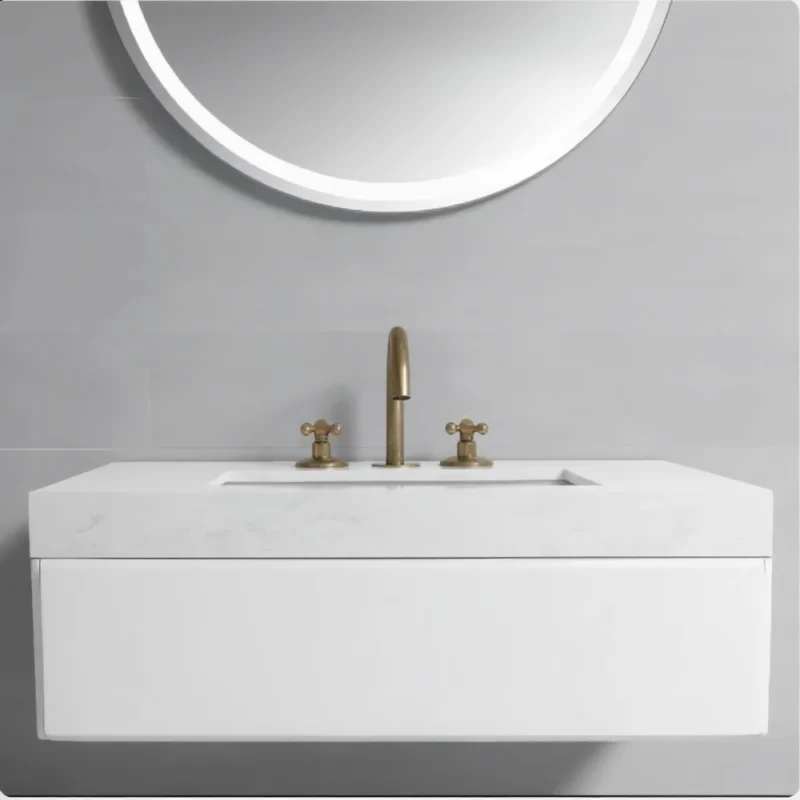
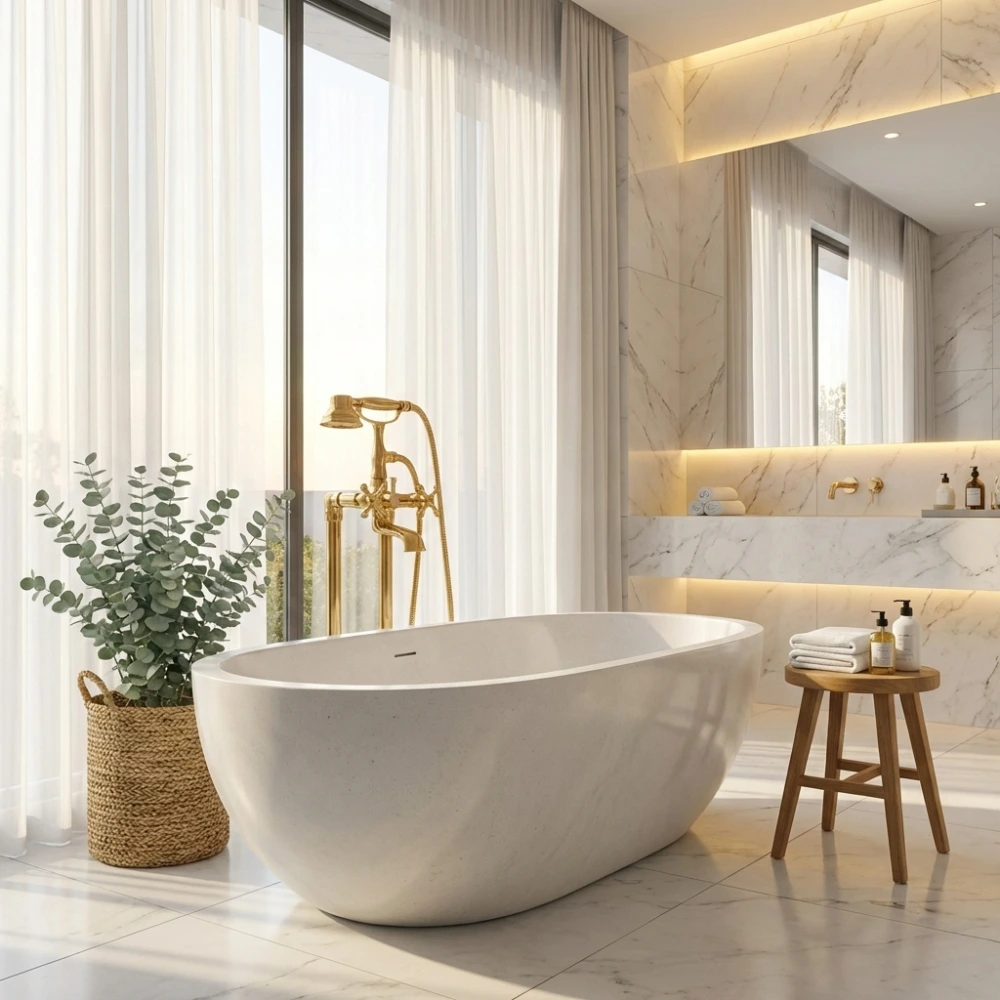
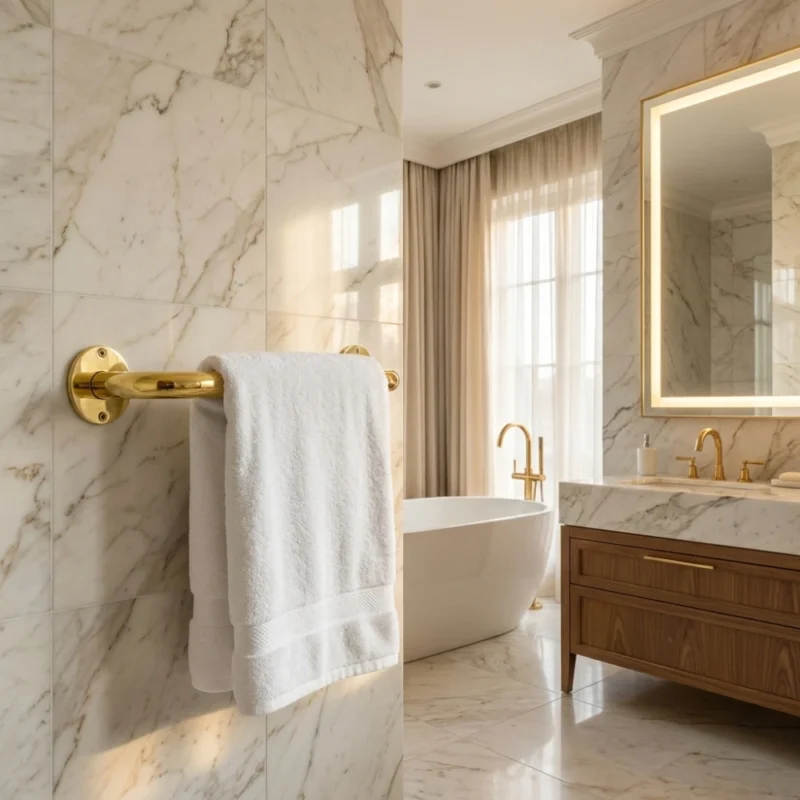
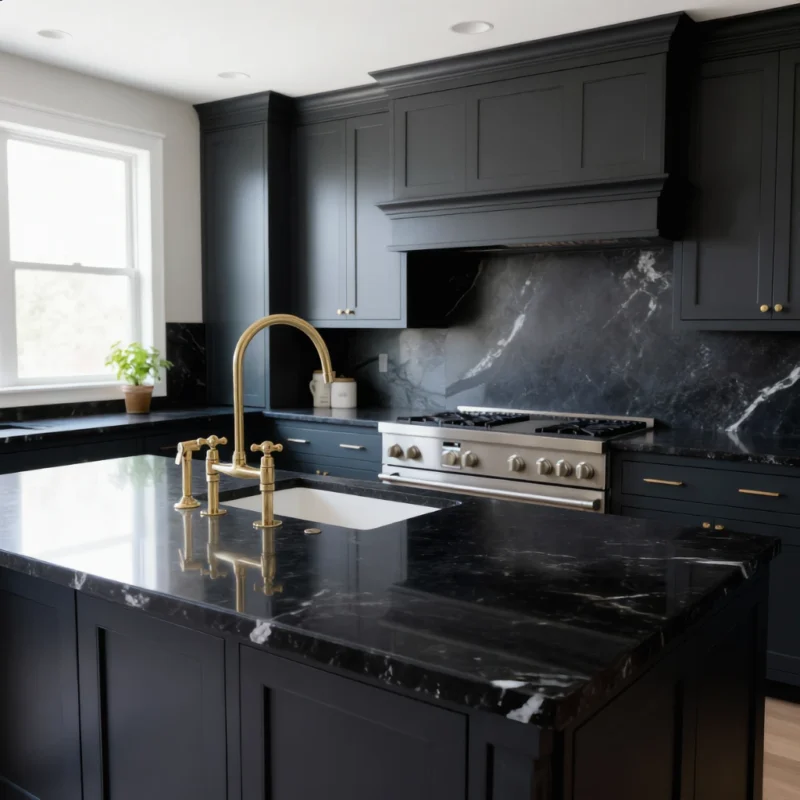





Unlacquered Brass
Why Is Unlacquered Brass Expensive? Understanding the Real Cost Behind Solid Brass Fixtures
Jun
If you’ve compared kitchen faucets, bridge faucets, shower systems, or cabinet hardware, you’ve probably noticed that unlacquered brass often costs significantly more than chrome, brushed nickel, or brass-colored alternatives.
At first glance, the price difference can seem difficult to justify. After all, they all perform the same basic function. So why does unlacquered brass command a premium?
The answer comes down to material quality, manufacturing complexity, durability, and long-term value. Unlike many modern finishes designed to look perfect indefinitely, unlacquered brass is a living material that develops character over time. Creating products that age beautifully requires both high-quality brass and careful craftsmanship.
The Short Answer
Unlacquered brass is expensive because it is typically made from solid brass, contains valuable metals such as copper and zinc, requires more demanding manufacturing processes, and is produced in lower volumes than mainstream finishes.
While the initial cost is higher, many homeowners view unlacquered brass as a long-term investment because it can last for decades and develops a unique natural patina instead of deteriorating.
| Factor | Impact on Price |
|---|---|
| Solid brass construction | High |
| Copper and zinc material costs | High |
| Precision manufacturing | Medium to High |
| Smaller production volumes | Medium |
| Premium craftsmanship | High |
| Long lifespan and durability | Adds long-term value |
Solid Brass Costs More Than Plated Alternatives
One of the biggest reasons for the price difference is the material itself.
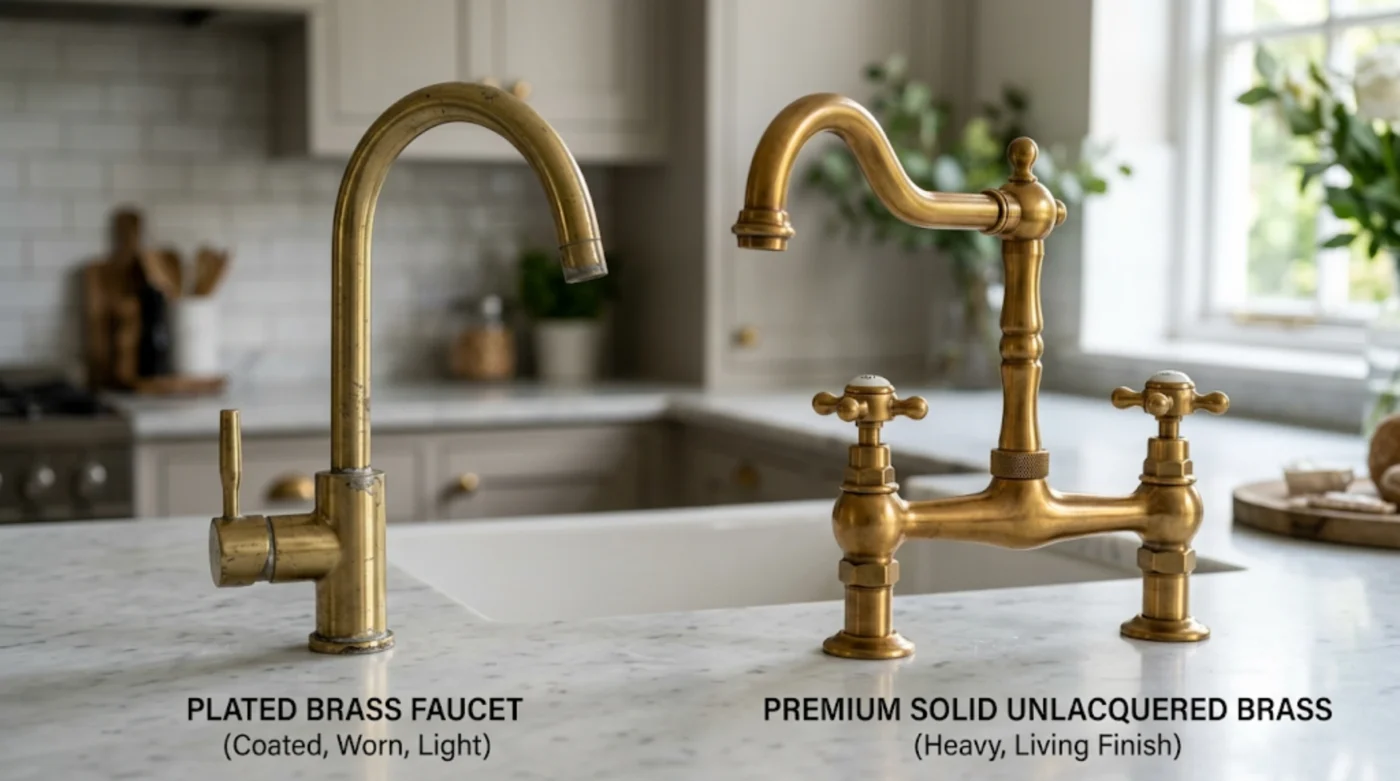
Quality unlacquered brass fixtures are typically made from solid brass, not from cheaper metals coated with a brass-colored finish. This means the fixture contains a substantial amount of brass throughout its entire construction.
Compare that to many budget fixtures, which may use:
- Zinc alloy
- Plastic components
- Thin brass plating
- Brass-colored coatings
- PVD finishes designed to mimic brass
Because solid brass contains more raw material, manufacturers simply spend more money producing each fixture.
A simple way to recognize a quality solid brass fixture is its weight. Pick up a solid brass faucet or piece of hardware, and it will usually feel noticeably heavier and more substantial than lower-cost alternatives.
Brass Is Made From Valuable Metals
Brass is primarily an alloy of:
- Copper
- Zinc
Copper, in particular, is a globally traded commodity with fluctuating market prices. When copper prices rise, the cost of brass production rises as well.
Unlike painted or coated finishes, unlacquered brass depends on the actual metal itself for both appearance and performance. Manufacturers cannot substitute lower-quality materials without affecting the final product.
As a result, the price of raw materials has a direct impact on the retail price of unlacquered brass fixtures.
Manufacturing Solid Brass Requires More Work
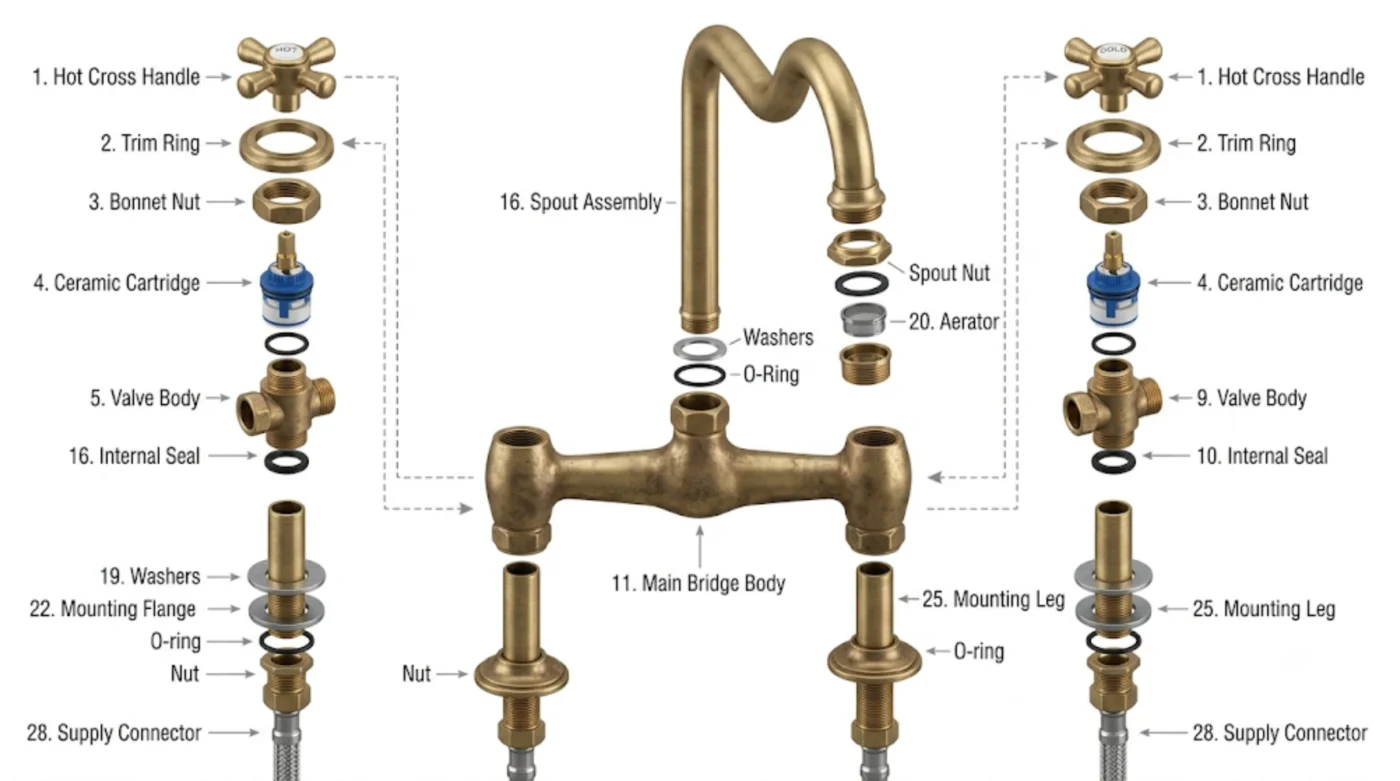
Creating a high-quality brass fixture involves far more than simply shaping metal.
Depending on the product, manufacturers may use:
- Casting
- Forging
- CNC machining
- Precision drilling
- Hand finishing
- Surface polishing
Brass is dense and durable, which makes it an excellent material for fixtures but also increases machining time and manufacturing costs.
For plumbing products such as faucets and shower systems, components must meet strict tolerances to ensure proper performance and leak-free operation. This level of precision requires specialized equipment and skilled labor.
The result is a product that costs more to manufacture but is also built to withstand years of daily use.
Unlacquered Brass Is a Niche Finish
Chrome and brushed nickel remain among the most popular fixture finishes in residential construction. Because they are produced in large quantities, manufacturers benefit from economies of scale that help lower costs.
Unlacquered brass serves a smaller market.
It is often chosen for:
- Luxury homes
- Custom renovations
- Historic restorations
- High-end kitchens
- Designer bathrooms
Because demand is lower, manufacturers typically produce unlacquered brass fixtures in smaller batches. Smaller production runs generally mean higher per-unit costs, which are reflected in the final price.
The Living Finish Requires Higher-Quality Brass
One of the defining characteristics of unlacquered brass is that it has no protective lacquer coating.
Instead, the metal remains exposed to air, moisture, and everyday handling. Over time, it develops a natural patina that gives the fixture depth, warmth, and character.
Because the brass itself remains visible throughout the life of the product, manufacturers must start with high-quality material.
Unlike coated finishes that can conceal minor imperfections beneath paint or lacquer, unlacquered brass puts the metal on full display. Any flaws become part of the visible surface.
This is one reason why premium manufacturers invest heavily in material selection and finishing before a product ever leaves the factory.
Unlacquered Brass Can Last for Decades
While the upfront cost may seem high, it’s important to consider the lifespan of the product.
A well-made unlacquered brass fixture can often remain functional and attractive for decades when properly maintained.
Some of its long-term advantages include:
- Exceptional durability
- Resistance to peeling or flaking finishes
- Ability to be cleaned and restored
- Timeless appearance
- Unique patina development
Unlike coated finishes that may eventually chip or wear through, unlacquered brass ages naturally. Many homeowners appreciate that the finish evolves rather than deteriorates.
This longevity is one reason why unlacquered brass remains popular in historic homes, luxury properties, and heirloom-quality designs.
Is Unlacquered Brass Worth the Higher Price?
The answer depends on your goals, budget, and design preferences.
| Buyer Type | Is It Worth It? |
|---|---|
| Luxury renovation | Yes |
| Forever home | Yes |
| Historic restoration | Yes |
| Designer kitchen or bath | Yes |
| Budget remodel | Maybe |
| Rental property | Usually no |
If you’re looking for the lowest upfront cost, other finishes may make more sense.
However, if you value authentic materials, craftsmanship, and a finish that develops character over time, unlacquered brass often provides excellent long-term value.
How to Tell If You’re Paying for Real Unlacquered Brass
Not every product marketed as “brass” is actually solid unlacquered brass.
When shopping, look for product descriptions that specifically mention:
- Solid brass construction
- Unlacquered brass finish
- Living finish
- Natural patina development
- Detailed material specifications
Be cautious of terms such as:
- Brass-colored finish
- Brass-look coating
- Brass plating
- PVD brass finish
These products may achieve a similar appearance initially but will not age in the same way as genuine unlacquered brass.
Final Thoughts
Unlacquered brass is expensive because it combines premium raw materials, solid construction, specialized manufacturing, and long-term durability. The higher price reflects more than just appearance—it reflects the quality of the metal itself and the craftsmanship required to produce a fixture that can last for generations.
For homeowners who appreciate authentic materials and the beauty of natural patina, unlacquered brass is often less of an expense and more of an investment. Over time, its evolving character and exceptional longevity can make the initial cost well worth it.
