





Uncategorized
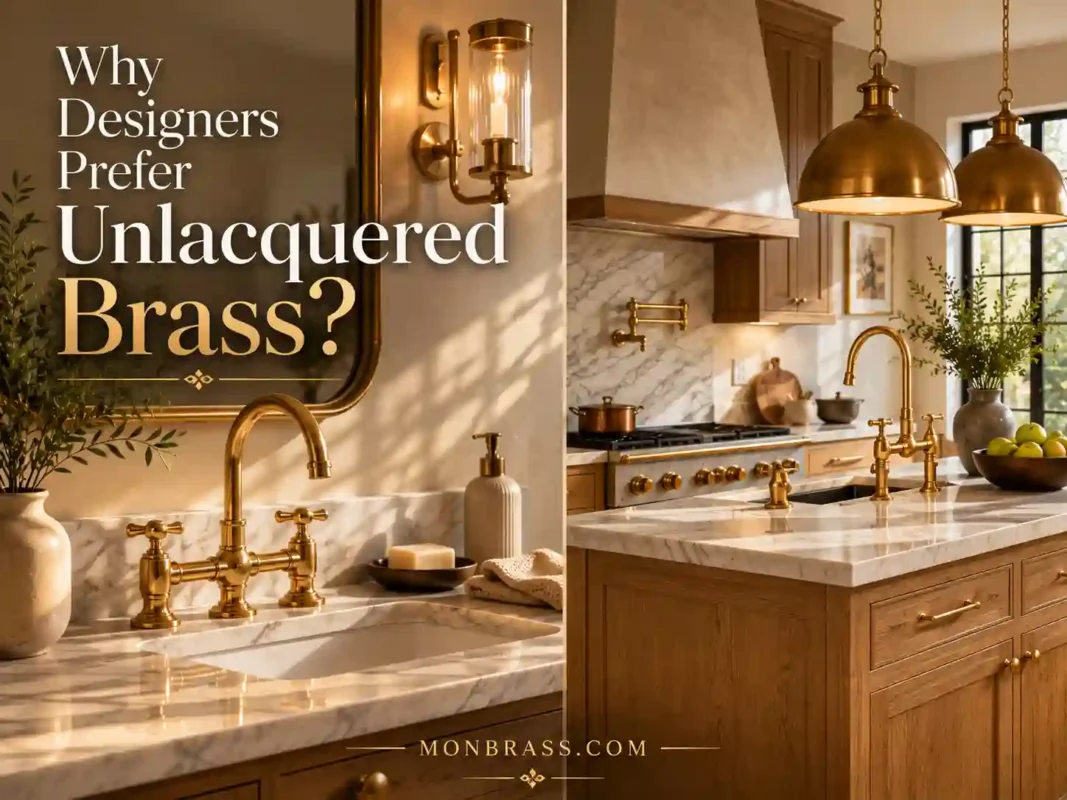
Why Designers Prefer Unlacquered Brass: The Timeless Finish That Gets Better With Age
Jun
Walk through a luxury hotel, a custom-built kitchen, or a thoughtfully renovated historic home, and you’ll often notice a common detail. The brass doesn’t look perfectly polished or identical from one fixture to the next. Instead, it has subtle variation, warmth, and a sense that it naturally belongs in the space.
That’s one reason so many designers continue to specify unlacquered brass.
At first glance, choosing a finish that changes over time may seem unusual. Most people expect premium materials to look exactly the same year after year. Designers, however, often take the opposite view. Rather than trying to prevent change, they choose materials that become more interesting as they age.
Designers Think Beyond Installation Day
Professional designers rarely choose a finish based only on how it looks the day it is installed. They also think about how that material will feel five, ten, or even twenty years later.
This long-term perspective is one of the biggest reasons unlacquered brass has remained popular for decades. Unlike finishes that can eventually feel dated or overly manufactured, unlacquered brass gradually develops a softer and more individual appearance through everyday use.
For many designers, that natural evolution is part of the beauty of the material rather than a problem that needs to be avoided.
Authentic Materials Never Really Go Out of Style
One of the strongest trends in modern interior design is actually a move away from trends themselves.
Designers increasingly favor materials that feel genuine and timeless rather than perfectly manufactured. Unlacquered brass fits naturally into that philosophy because it doesn’t rely on artificial coatings or surface treatments to create its appeal. What you see is the actual metal responding naturally to the environment around it.
The same idea helps explain the lasting popularity of materials such as solid wood, natural stone, leather, linen, and handmade ceramics. None of these materials remain perfectly unchanged forever, yet they often become more attractive because of the subtle signs of use they develop over time.
Many designers believe homes feel more inviting when they include materials that reflect everyday life instead of resisting it.
Why Unlacquered Brass Feels Timeless
Designers constantly balance two goals: creating something that feels current today while avoiding choices that will feel outdated a decade from now.
Some finishes become strongly associated with a particular design period. Unlacquered brass tends to avoid that cycle because its appearance evolves gradually rather than remaining fixed.
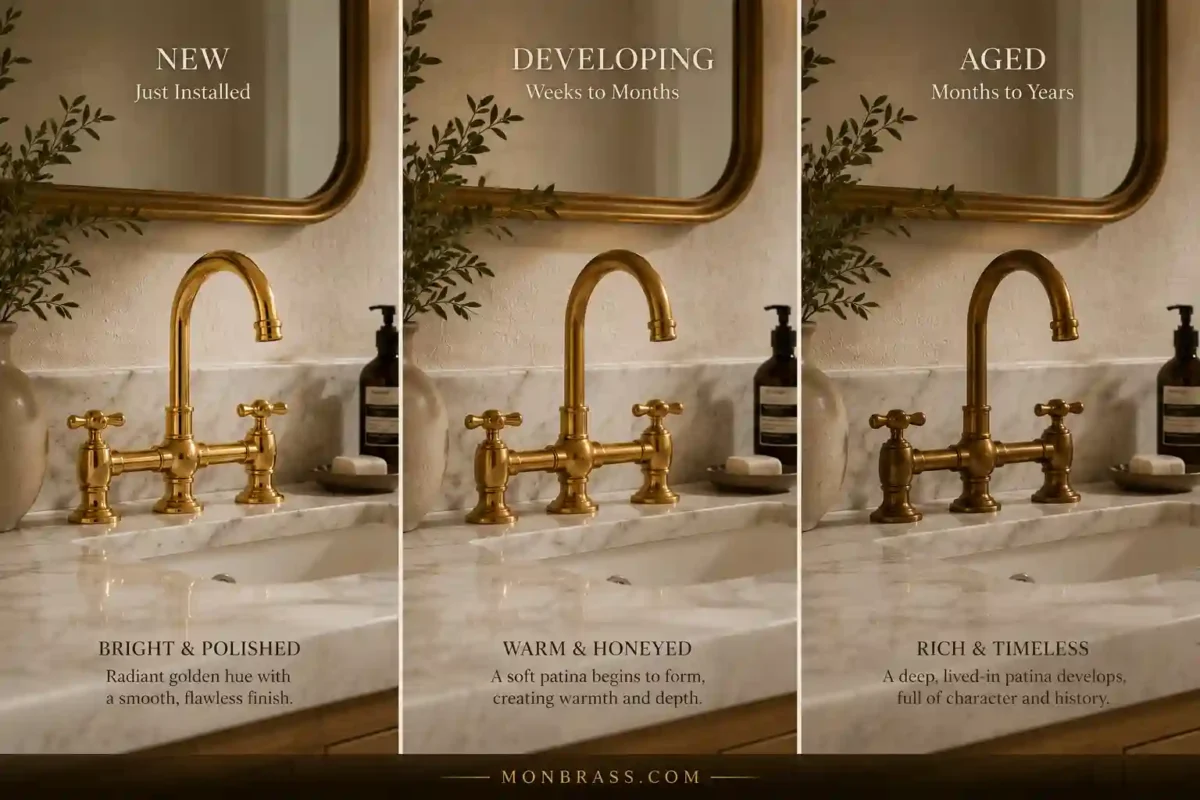
A fixture installed today will not look exactly the same years later, but that ongoing transformation helps it adapt naturally as the surrounding space changes. Instead of chasing perfection, the finish develops a sense of permanence and authenticity.
Homeowners who want to better understand how this gradual transformation happens often discover that every brass fixture develops its own character over time.
Small Imperfections Become Part of the Story
Many surfaces become less attractive when they show scratches, fingerprints, or signs of wear.
Unlacquered brass often behaves differently.
A small mark that might stand out on a highly polished finish frequently becomes less noticeable as the surrounding surface gradually changes. Over time, everyday use helps blend minor imperfections into the overall appearance of the fixture.
For busy households, this can be surprisingly practical. Instead of constantly trying to preserve a factory-perfect finish, homeowners can allow the material to develop naturally without worrying about every small sign of use.
It Works Across Many Design Styles
Another reason designers value unlacquered brass is its versatility.
The same finish can feel perfectly at home in:
- Traditional homes.
- Historic renovations.
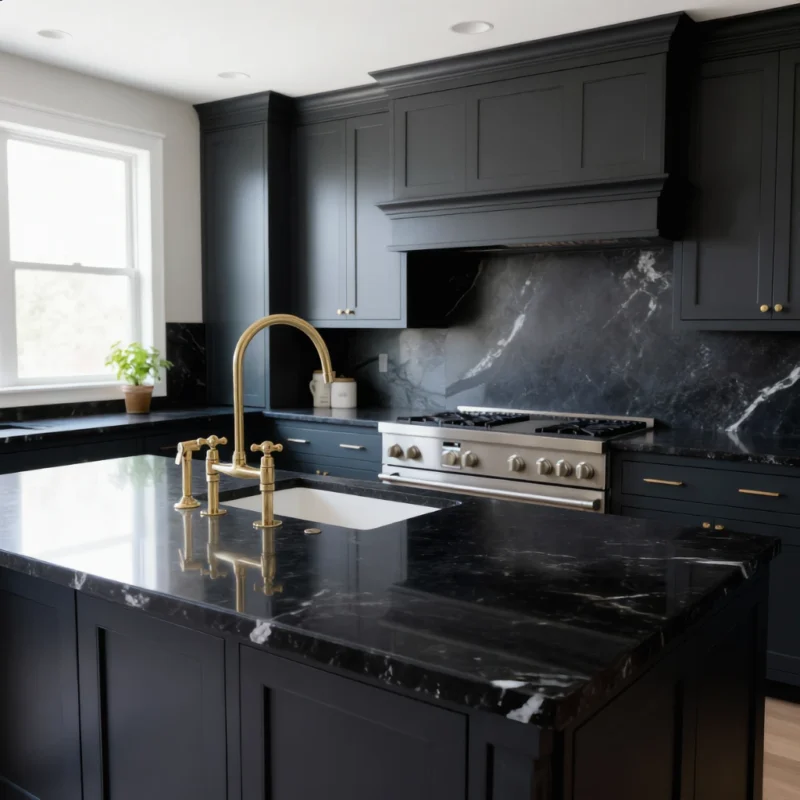
- Modern kitchens.
- Transitional interiors.
- Farmhouse spaces.
- Contemporary luxury projects.
- European-inspired homes.
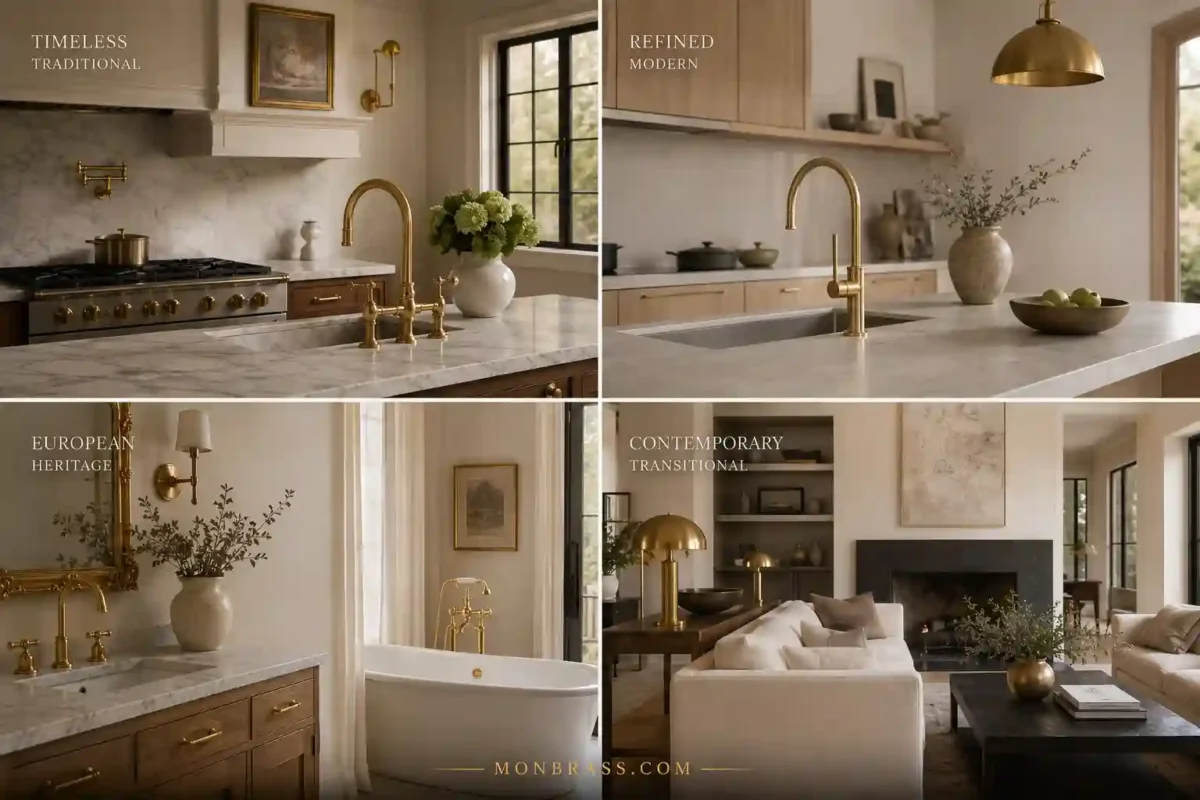
Rather than defining the style of a room, unlacquered brass tends to complement the materials around it. It adds warmth to clean modern spaces while also feeling authentic in older homes filled with natural textures and handcrafted details.
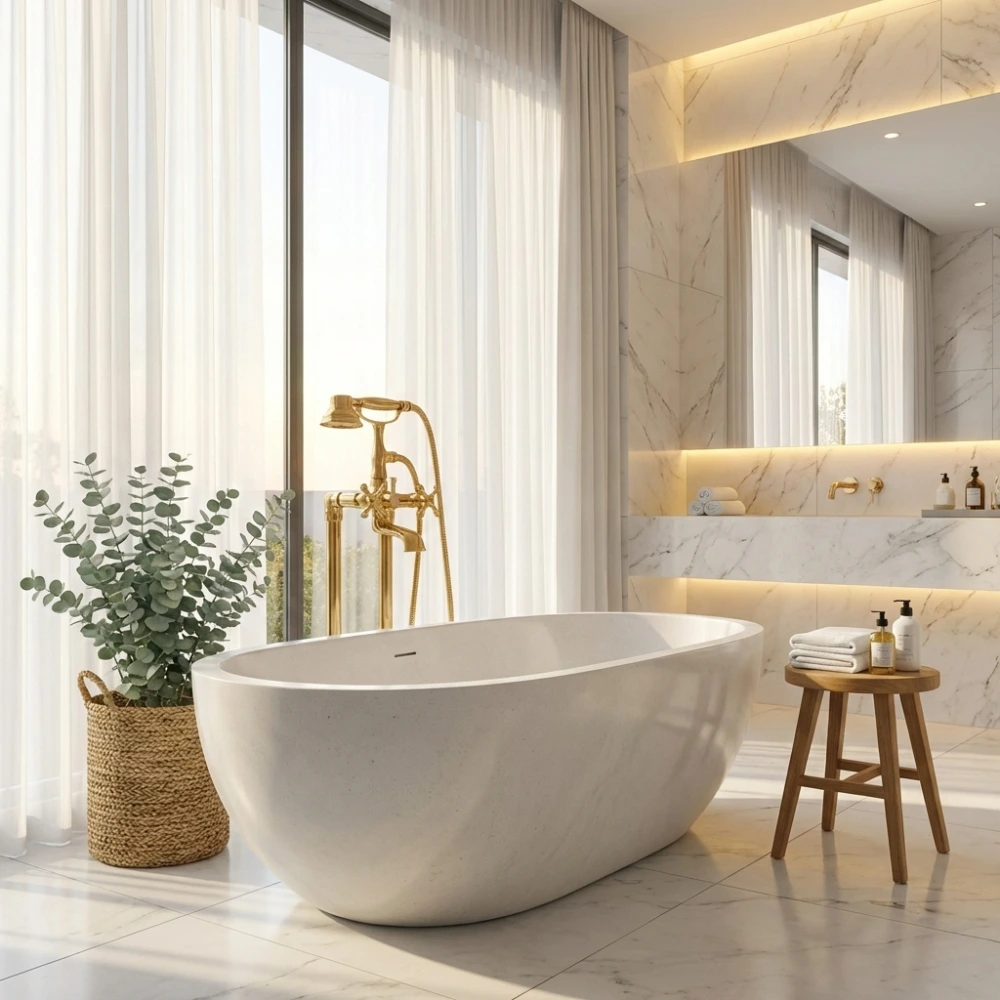
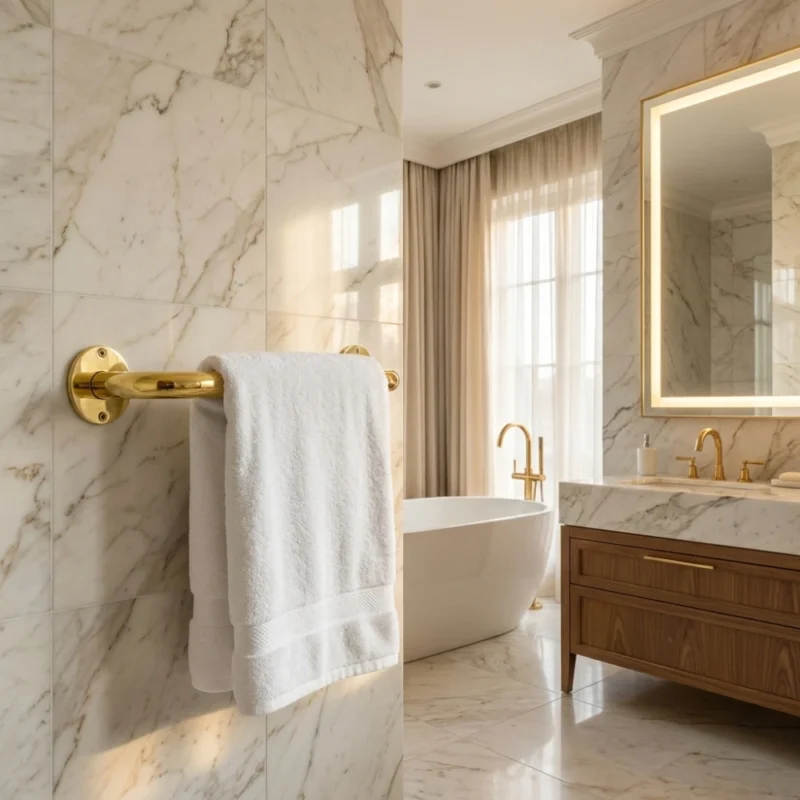
Designers often find that the finish pairs especially well with natural stone, marble, wood, and neutral color palettes because these materials also develop character over time.
Why Designers Continue to Specify It in Kitchens and Bathrooms
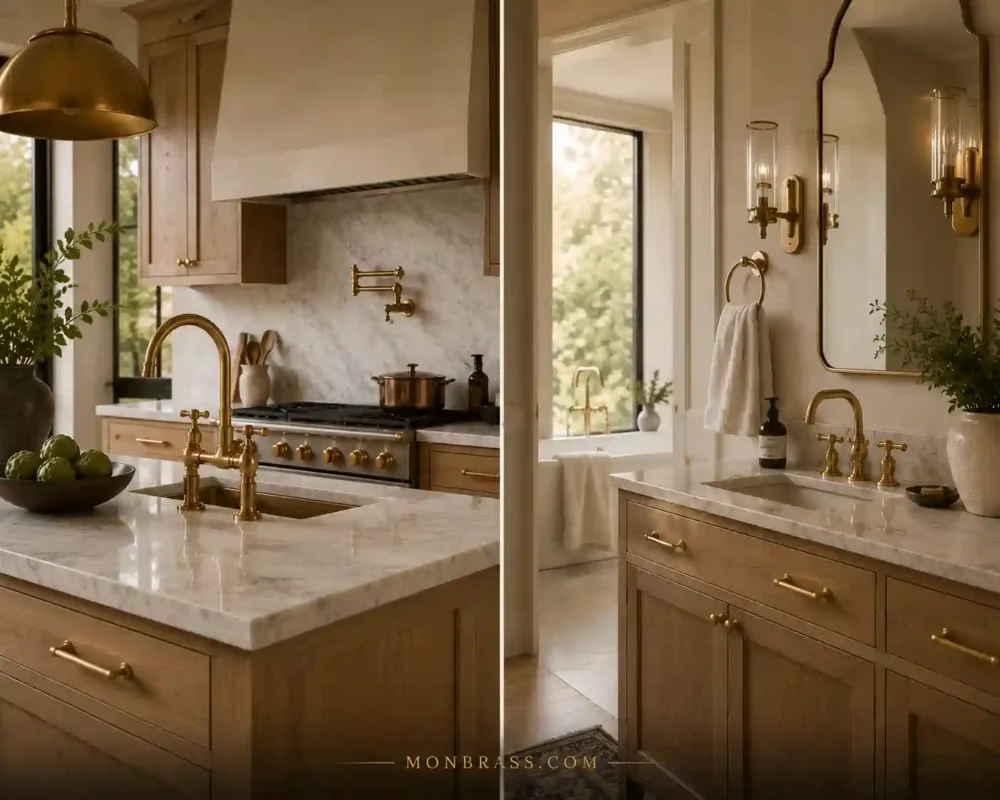
Kitchens and bathrooms are some of the busiest rooms in a home, which makes them ideal places for materials that respond well to everyday life.
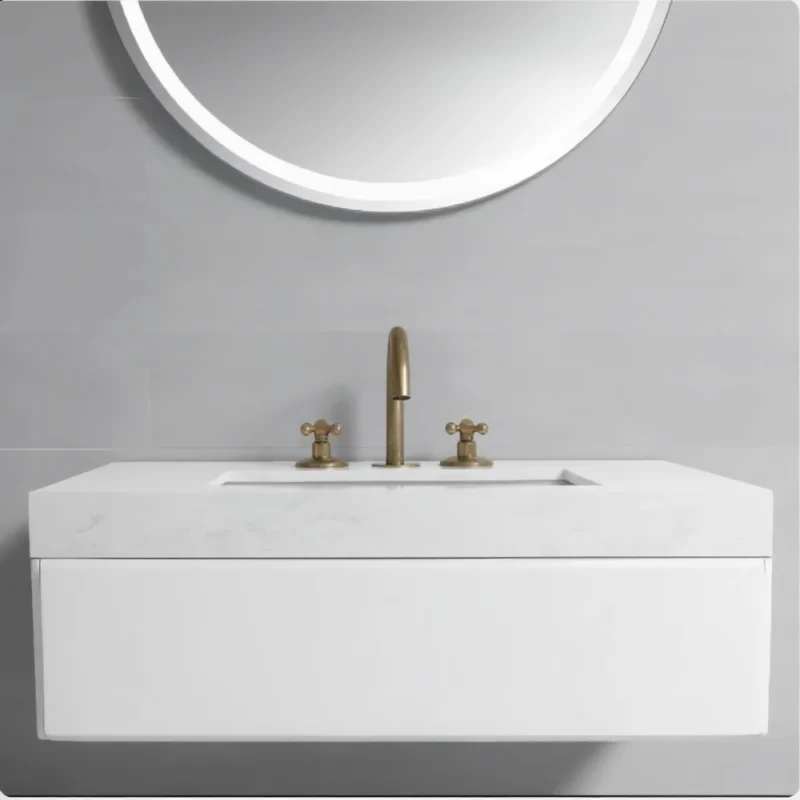
Rather than viewing regular use as a disadvantage, many designers see it as an opportunity for the finish to develop individuality. A faucet, cabinet pull, or towel ring gradually reflects the way a family actually lives in the space.
The design possibilities become even more interesting when unlacquered brass is paired with complementary materials, layouts, and fixture combinations chosen specifically for kitchens and bathrooms.
The Trade-Offs Designers Consider
No finish is perfect for every homeowner or every project.
Designers appreciate unlacquered brass because of its authenticity and ability to age gracefully, but they also understand that it requires the right expectations.
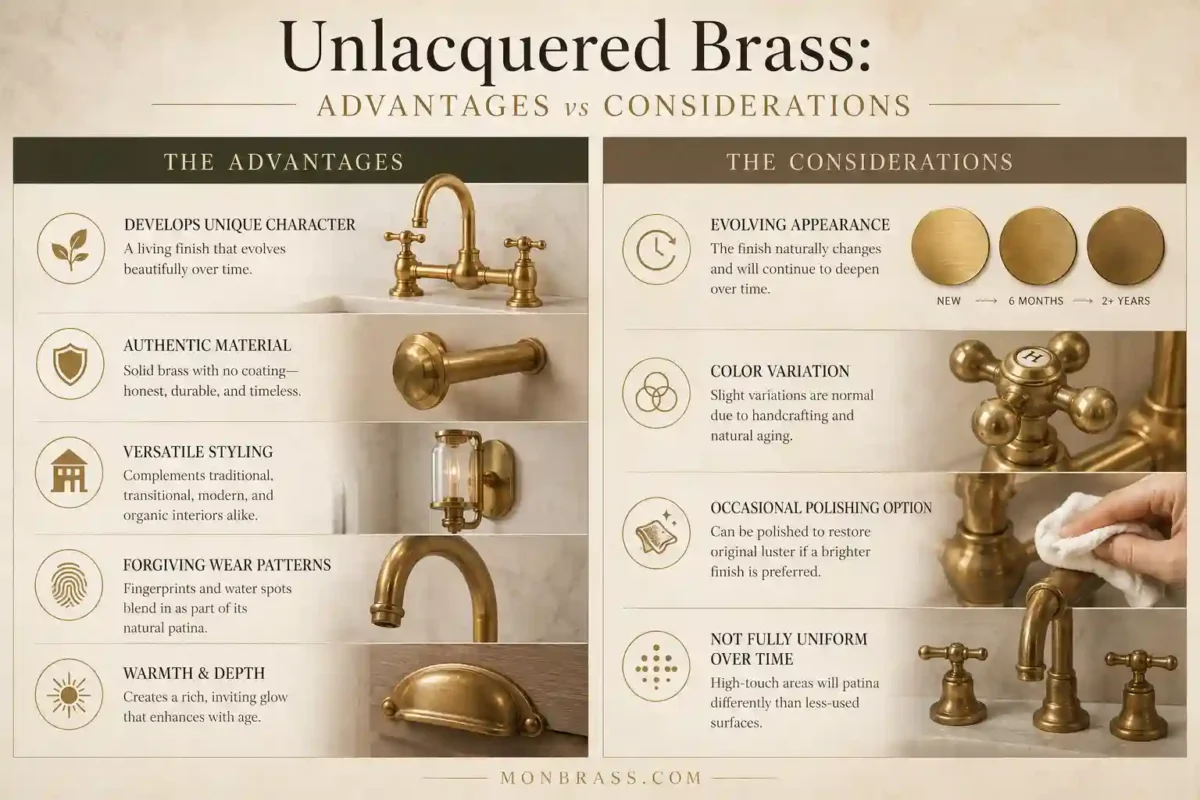
Advantages
- Develops a unique appearance over time.
- Feels authentic and natural.
- Works across many design styles.
- Minor wear blends into the evolving finish.
- Adds warmth and depth to interiors.
Considerations
- The appearance will gradually change.
- Color variation is normal.
- Homeowners who prefer a bright finish may occasionally choose to refresh the surface.
- It may not be the best choice for those who want complete visual consistency.
The best projects happen when homeowners understand that the finish is designed to evolve rather than remain static.
Common Misconceptions About Unlacquered Brass
“Patina Means the Brass Is Damaged”
In most cases, patina is simply a natural surface change rather than a sign of structural problems. Many designers view it as one of the material’s greatest strengths.
“It Will Turn Green Immediately”
The process is usually much slower and more gradual than many people expect. Most fixtures spend a long time developing warmer gold, honey, and bronze tones before significant green oxidation ever becomes a possibility.
“It’s Too High Maintenance”
Ironically, homeowners who embrace the natural evolution of the finish often spend less time maintaining it than those trying to keep highly polished fixtures looking brand new.
“It Only Works in Traditional Homes”
Modern designers regularly use unlacquered brass to add warmth and contrast to contemporary interiors. Its flexibility across different styles is one of the reasons it has remained popular for so long.
FAQ
Do designers always choose unlacquered brass over lacquered brass?
No. The choice depends on the goals of the project. Designers often select unlacquered brass when they want a finish that develops character over time rather than remaining completely uniform.
Does unlacquered brass increase home value?
The finish itself does not guarantee a higher resale value, but high-quality materials and thoughtful design choices can contribute to a more premium overall impression.
Is unlacquered brass suitable for busy family homes?
Yes. Many designers recommend it because the signs of everyday use often become part of the evolving appearance rather than detracting from it.
Why is unlacquered brass common in luxury hotels?
Luxury hospitality projects often prioritize materials that age gracefully and feel authentic. Unlacquered brass aligns naturally with that design philosophy.
Can the original shine be restored if homeowners change their minds?
Yes. In many cases, the brighter appearance can be restored, although the natural aging process will begin again over time.
Conclusion
Great design is rarely about keeping every surface perfectly preserved. More often, it is about choosing materials that remain beautiful as life unfolds around them. Unlacquered brass stands out because it embraces change rather than resisting it. Its warmth, authenticity, and ability to develop character explain why so many designers continue to specify it year after year. For homeowners who appreciate materials with personality and longevity, few finishes offer the same combination of craftsmanship and timeless appeal.
