





Uncategorized
Unlacquered Brass vs Antique Brass: Which Finish Is Right for Your Home?
Jul
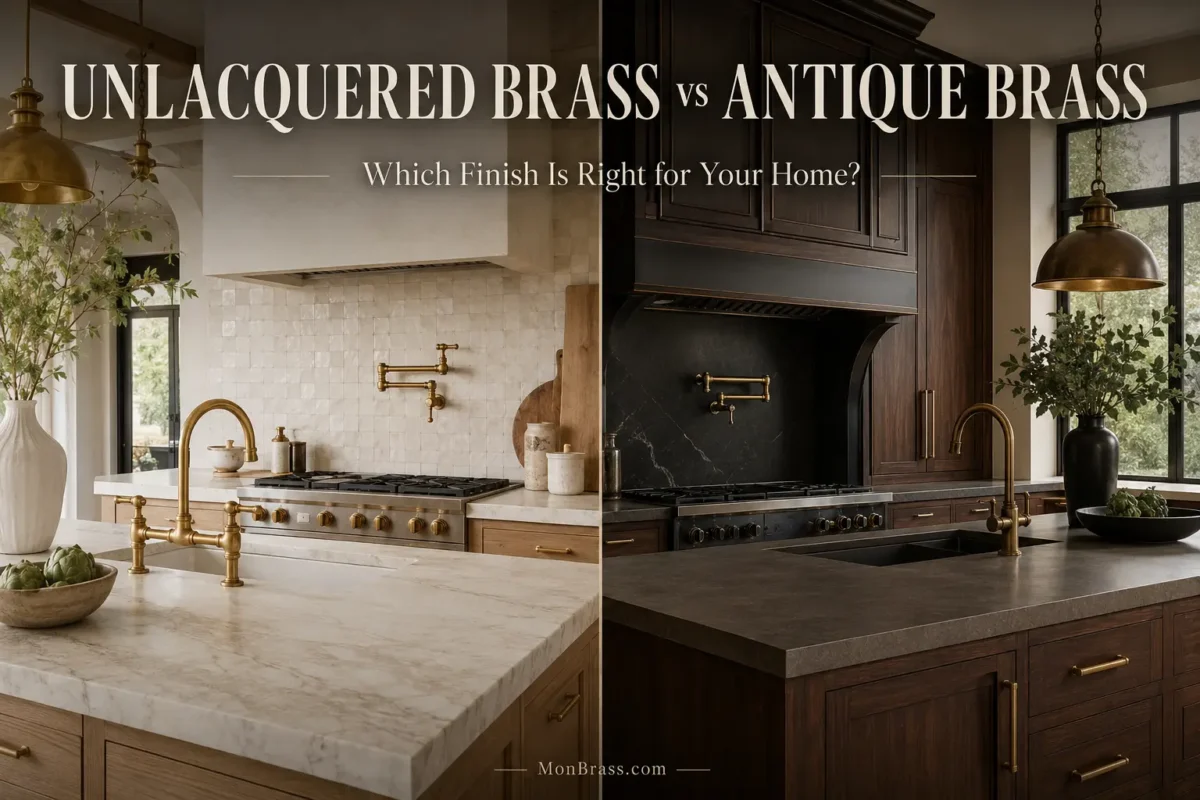
Choosing between unlacquered brass vs antique brass can be surprisingly difficult. At first glance, the two finishes may appear similar, especially after unlacquered brass has developed a rich patina. The difference becomes much clearer once you understand how each finish is created, how it changes over time, and what you can realistically expect after years of daily use.
If you’re planning a kitchen renovation, updating a bathroom, or selecting hardware for a custom home, your decision isn’t just about color. It’s also about maintenance, authenticity, durability, and whether you want your fixtures to evolve or remain largely the same.
Understanding the Difference at a Glance
Although both finishes offer warmth and timeless appeal, they achieve their appearance in completely different ways.
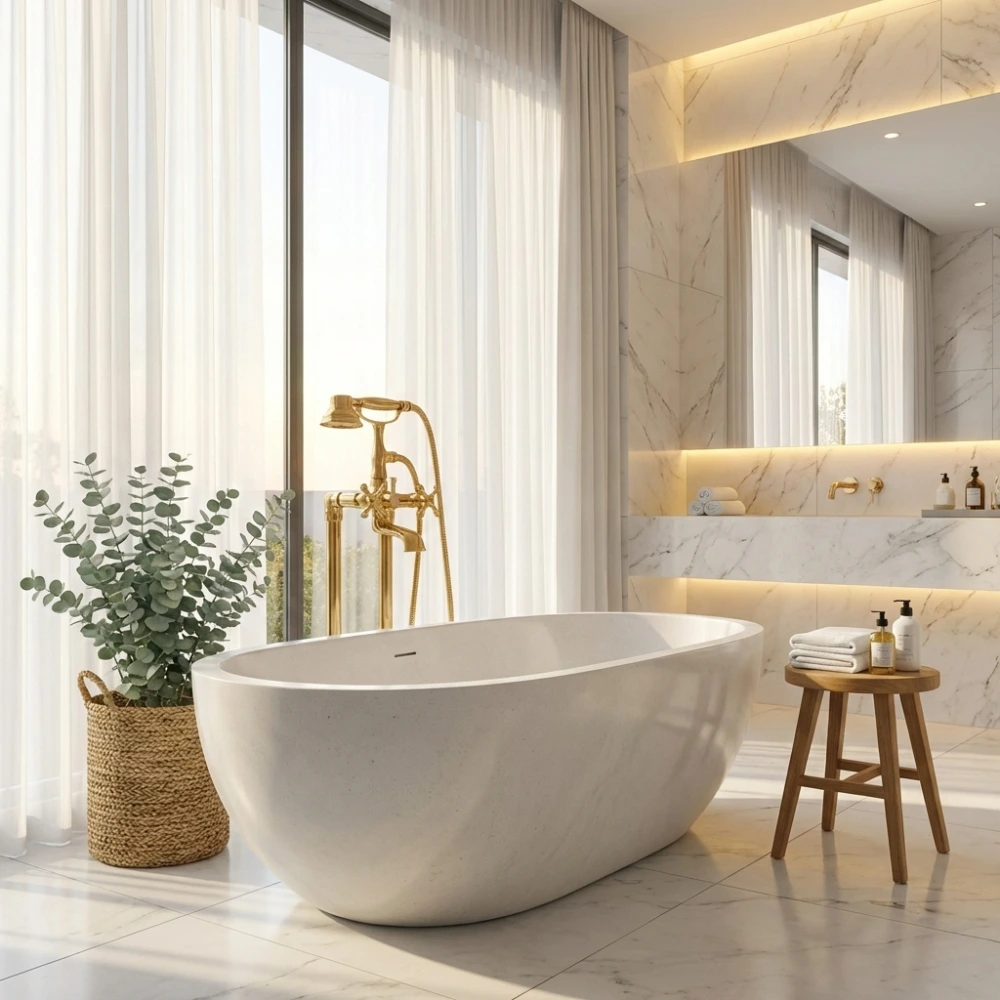
Unlacquered brass is unfinished solid brass without a protective lacquer coating. It naturally reacts with air, moisture, and everyday handling, gradually developing a unique patina.
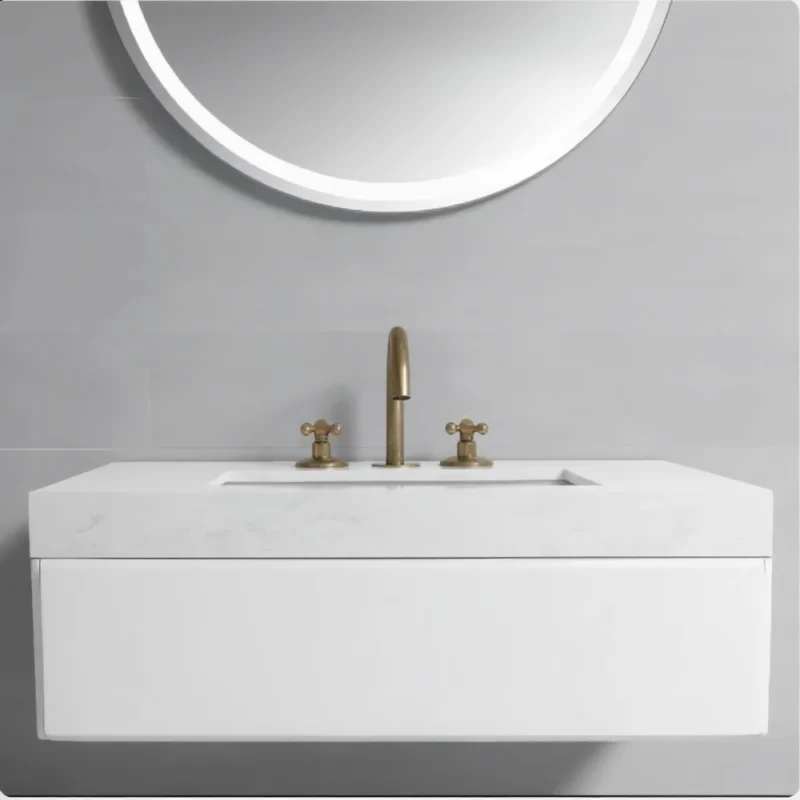
Antique brass is a manufactured finish. It starts as brass—or sometimes another base metal—and receives a chemical treatment, tinted coating, or specialized finishing process that creates the appearance of aged brass from day one.
The biggest distinction is simple:
- Unlacquered brass changes naturally.
- Antique brass is designed to look aged immediately and remain relatively consistent.
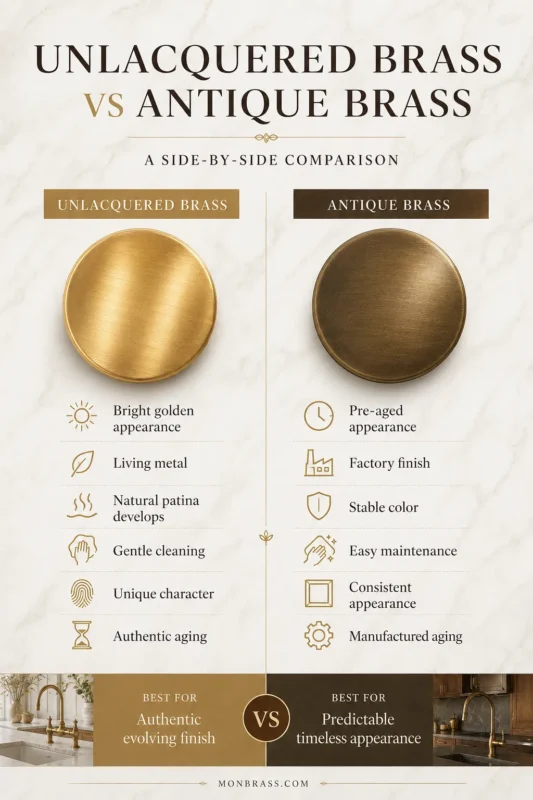
Unlacquered Brass vs Antique Brass Comparison
| Feature | Unlacquered Brass | Antique Brass |
| Initial appearance | Bright golden brass | Pre-aged brown-gold finish |
| Changes over time | Yes, develops natural patina | Very little under normal use |
| Surface finish | Living metal | Artificially aged finish |
| Maintenance | Gentle cleaning, optional polishing | Basic cleaning only |
| Character | Unique to each fixture | More consistent appearance |
| Best for | Authentic aging | Predictable finished look |
Appearance: Natural Evolution vs Pre-Aged Character
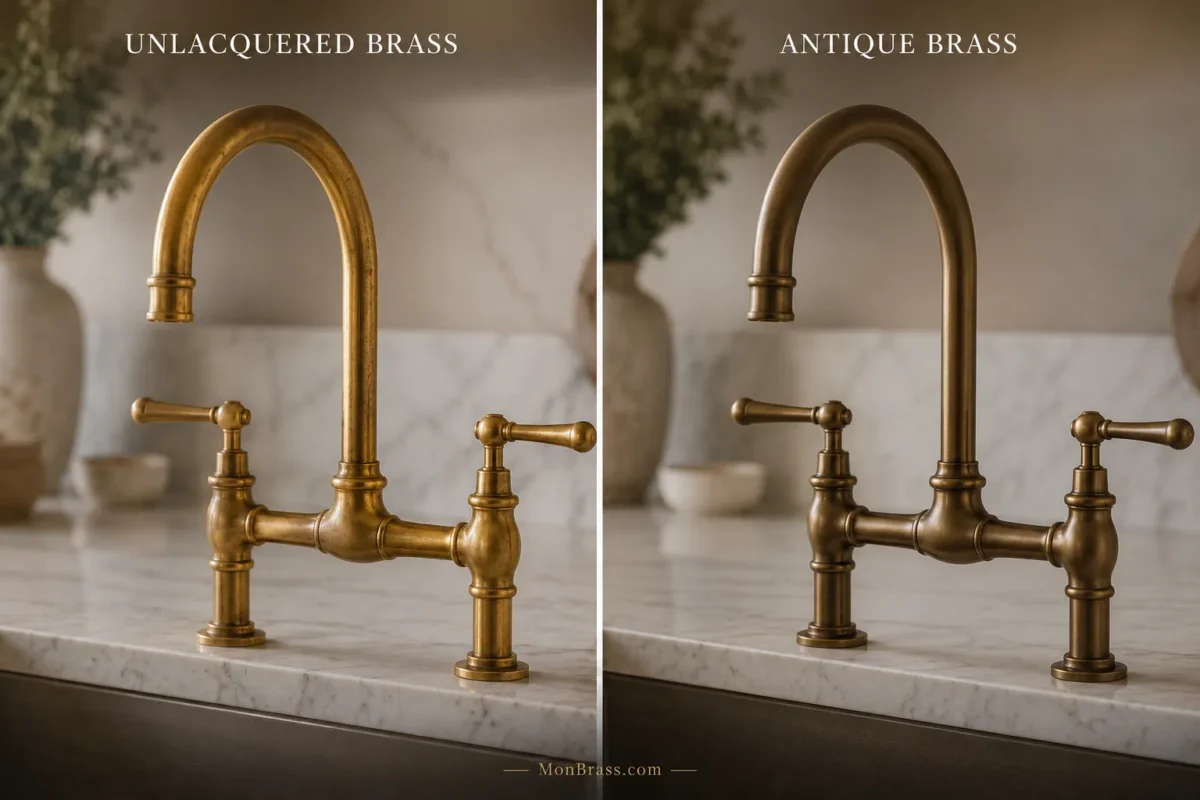
Appearance is usually the deciding factor.
Unlacquered brass begins with a warm golden tone. Over time, exposure to air, moisture, fingerprints, and water slowly transforms the surface into deeper amber, honey, bronze, and brown tones.
No two fixtures age exactly alike.
One thing homeowners often notice is that frequently touched areas, such as faucet handles, develop different highlights than less frequently used surfaces.
Antique brass, on the other hand, already has darker undertones and subtle variations built into the finish. While it may wear slightly over many years, its appearance stays much more uniform.
If you prefer consistency throughout your home, antique brass is often the easier choice.
If you enjoy materials that tell a story through use, unlacquered brass offers something manufactured finishes cannot replicate.
How Each Finish Ages
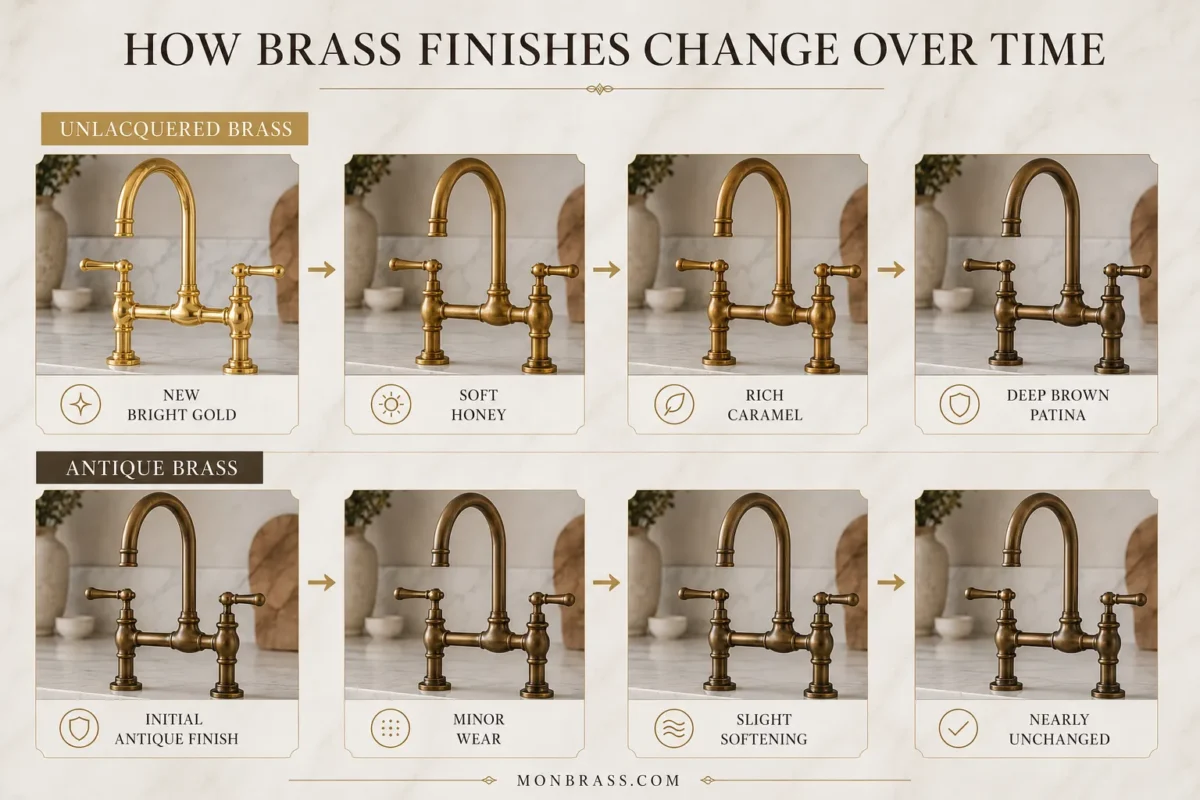
This is where the differences become most noticeable.
Unlacquered Brass
As a living finish, unlacquered brass continuously reacts with its surroundings.
The exact appearance varies because every home exposes brass to different environmental conditions and levels of everyday use.
In practice, kitchen faucets usually age differently than bathroom fixtures because they’re exposed to different substances throughout the day.
The finish gradually becomes richer rather than wearing out.
Antique Brass
Antique brass doesn’t develop a natural patina in the same way.
Instead, the factory-applied finish remains relatively stable.
Over many years, areas receiving heavy contact may become slightly smoother or brighter, but the overall appearance changes far less than unlacquered brass.
Maintenance Requirements
Many buyers assume unlacquered brass requires constant attention.That’s rarely the case.
Routine maintenance is generally straightforward. Most homeowners simply keep the surface clean and decide whether they prefer to preserve the developing patina or occasionally restore a brighter appearance.
The goal isn’t to stop aging—it’s to remove dirt while preserving the finish.
Antique brass is even simpler.
Since homeowners usually want to preserve its original appearance, regular dusting and occasional cleaning with a soft cloth are typically sufficient.
Neither finish benefits from abrasive cleaners.
Durability and Long-Term Ownership
Both finishes can last for decades when made from quality materials.
The difference lies in how they respond to wear.
Unlacquered brass often disguises everyday use remarkably well because scratches and small marks blend into the evolving patina.
Minor imperfections frequently become part of the finish’s character.
With antique brass, damage is sometimes more noticeable.
Deep scratches may expose brighter brass or the underlying base material, depending on how the finish was manufactured.
From a long-term ownership standpoint, unlacquered brass often becomes more attractive with age, while antique brass is intended to preserve a specific aesthetic.
Which Finish Fits Different Design Styles?
Choose Unlacquered Brass If You Love:
- Traditional European interiors
- English country kitchens
- Luxury bathrooms
- Historic homes
- Organic materials
- Handmade design details
- Evolving finishes
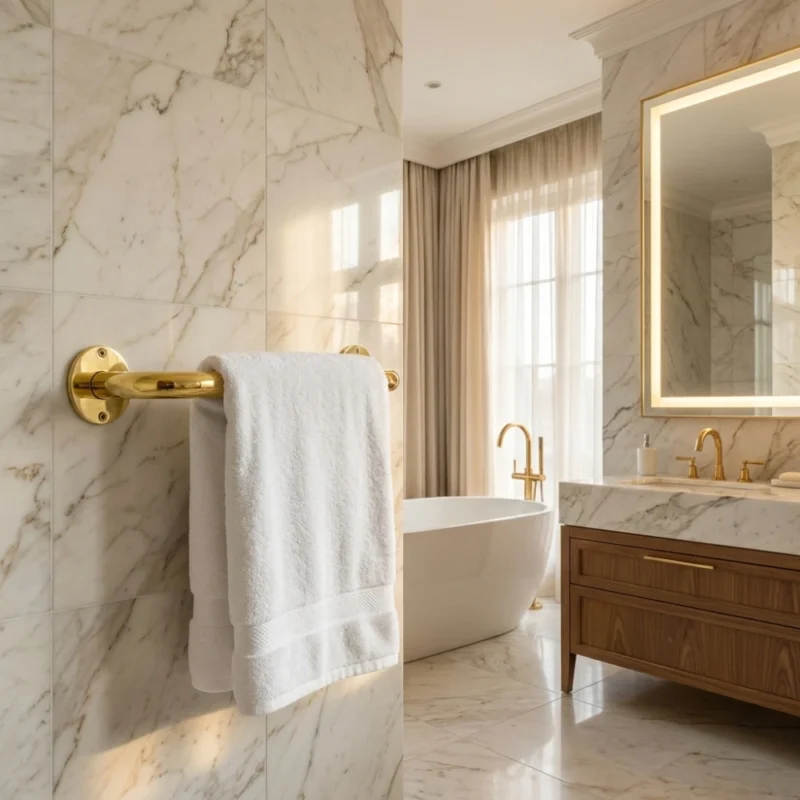
Designers frequently pair unlacquered brass with natural stone, marble, walnut, white oak, limestone, and handmade tile because every material develops character over time.
Choose Antique Brass If You Prefer:
- Consistent appearance
- Transitional interiors
- Industrial-inspired spaces
- Vintage-inspired design without ongoing color changes
- Lower-maintenance finishes
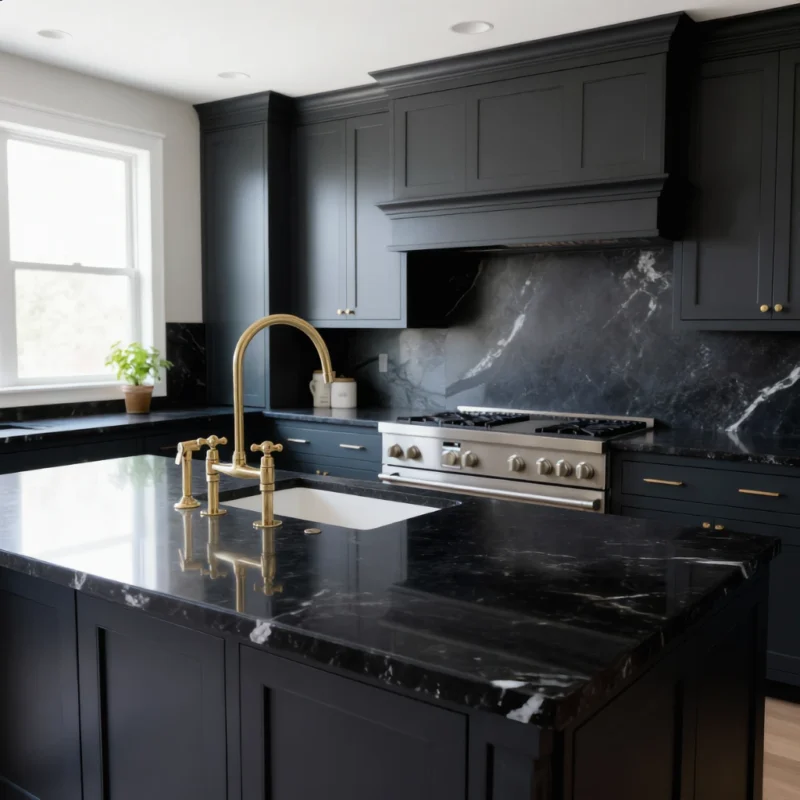
Antique brass also pairs well with matte black, dark wood cabinetry, and painted furniture where consistency is important.
Things to Consider Before Choosing Between Unlacquered Brass and Antique Brass
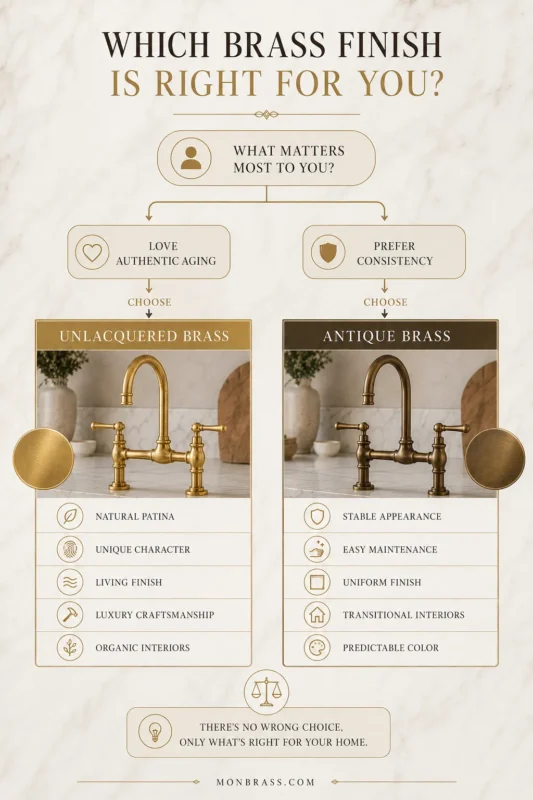
Every household has different priorities.
Advantages of Unlacquered Brass
- Develops authentic natural patina
- Every fixture becomes unique
- Small scratches blend over time
- Appreciated by many interior designers
- Creates warmth and depth
Drawbacks of Unlacquered Brass
- Appearance changes continuously
- Color won’t remain identical year after year
- Requires understanding of living finishes
- Bright brass lovers may occasionally polish the surface
Advantages of Antique Brass
- Stable appearance
- Easy maintenance
- Predictable color
- Coordinates easily across multiple fixtures
Drawbacks of Antique Brass
- Doesn’t develop authentic patina
- Factory finish may eventually show wear
- Less variation and individuality
Budget Considerations
Pricing often depends more on product quality and manufacturer than the finish itself.
However, premium unlacquered brass products are commonly found in luxury kitchen and bathroom collections because solid brass construction complements the living finish.
Real-World Examples
Luxury Kitchen Remodel
A homeowner installing marble countertops and a solid brass bridge faucet chooses unlacquered brass because the finish will mature alongside the natural stone.
Several years later, the faucet has developed warm caramel tones that feel completely integrated with the space.
Family Bathroom
For a busy household where consistency matters, antique brass offers an attractive appearance without noticeable month-to-month color changes.
Routine cleaning is usually all that’s required.
Historic Home Restoration
Many restoration projects favor unlacquered brass because it complements original architectural details.
As the finish darkens naturally, it feels appropriate for the home’s age rather than artificially distressed.
Modern Transitional Home
Antique brass often works well in transitional interiors where homeowners want warmth without embracing a constantly changing finish.
The controlled color helps maintain visual consistency across lighting, hardware, and plumbing fixtures.
Common Misconceptions
“Antique Brass Is Just Old Brass”
Not necessarily.
Most antique brass finishes are intentionally created during manufacturing.
They imitate aged brass but aren’t the result of decades of natural oxidation.
“Unlacquered Brass Looks Dirty”
Patina is often mistaken for neglect.
In reality, many luxury designers intentionally choose unlacquered brass because its aging process adds depth and authenticity.
“Both Finishes Age the Same Way”
They don’t.
Only unlacquered brass develops a true living patina that reflects the environment and daily use.
“Unlacquered Brass Requires Constant Polishing”
Quite the opposite.
Many homeowners rarely polish it because they prefer the aged appearance.
Routine cleaning is usually more important than polishing.
“Antique Brass Never Changes”
While antique brass is relatively stable, heavy use may gradually soften the finish over many years.
However, those changes are typically much less dramatic than the natural evolution of unlacquered brass.
Frequently Asked Questions
Which finish is more durable?
Both finishes are durable when made from quality materials. The main difference is how they respond to wear rather than their structural lifespan.
Does antique brass develop a natural patina?
No. Antique brass is manufactured to resemble aged brass, while unlacquered brass naturally develops patina over time.
Which finish requires less maintenance?
Antique brass generally requires less attention because homeowners usually don’t polish it. Unlacquered brass benefits from gentle routine cleaning but doesn’t require constant maintenance.
Is unlacquered brass worth the extra care?
For homeowners who appreciate authentic materials and evolving finishes, many consider the gradual patina one of its greatest advantages.
Which finish is better for a modern kitchen?
Both can work well. Modern organic and luxury kitchens often feature unlacquered brass, while transitional and industrial-inspired spaces frequently incorporate antique brass.
Can I restore unlacquered brass to its original color?
Yes. Brass polish can remove oxidation and restore a brighter golden appearance, although the metal will naturally begin developing patina again after cleaning.
Final Thoughts
The choice between unlacquered brass and antique brass comes down to whether you want a finish that evolves naturally or one that delivers a consistent appearance from the day it’s installed. Neither option is inherently better—they simply appeal to different design philosophies and maintenance preferences.
If you value authenticity, natural aging, and the character that develops over time, unlacquered brass offers an experience few finishes can match. If you’d rather enjoy the look of aged brass without significant ongoing changes, antique brass provides timeless warmth with greater visual consistency.
