





Uncategorized
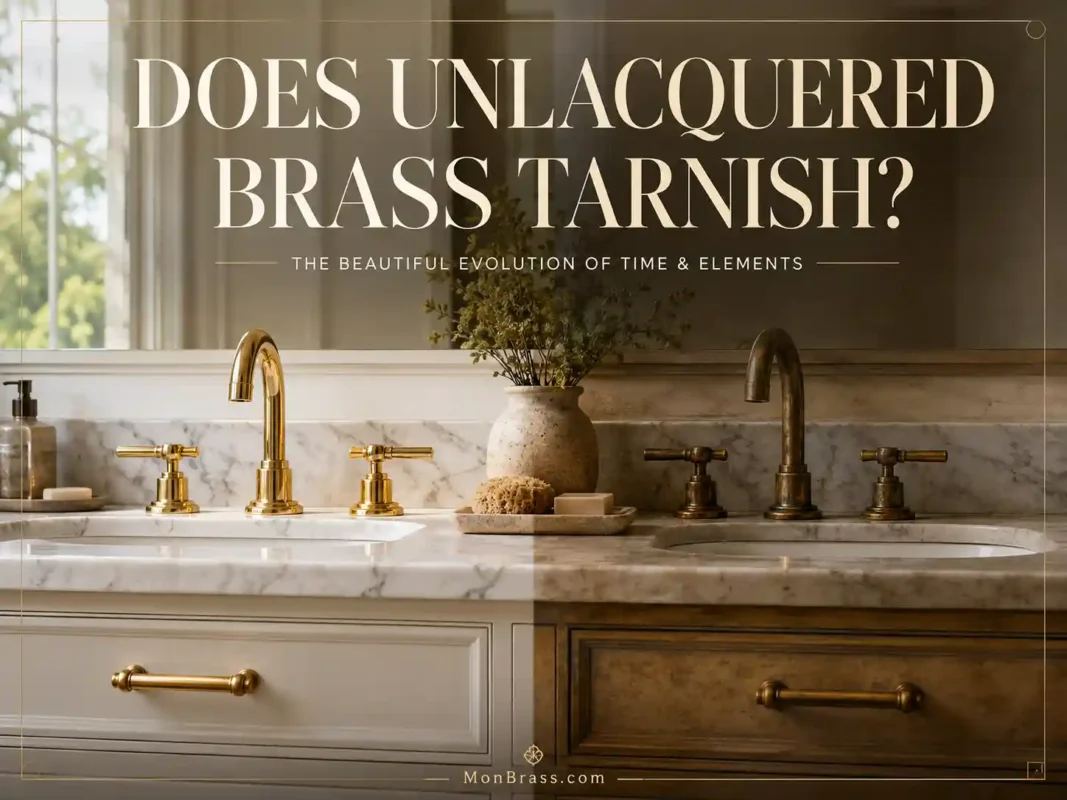
Does Unlacquered Brass Tarnish? What Homeowners Should Expect Over Time
Jun
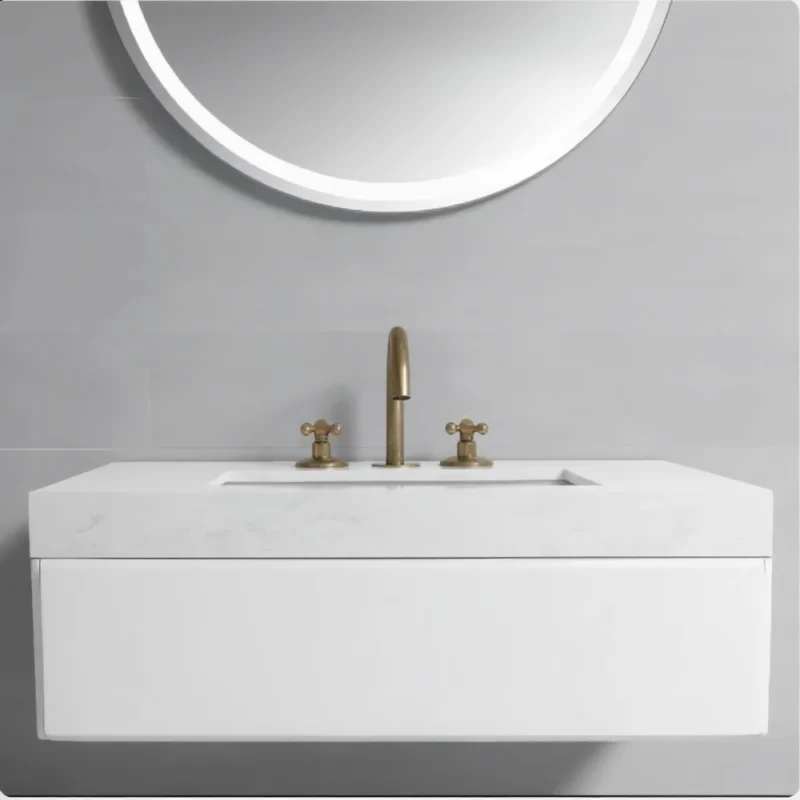
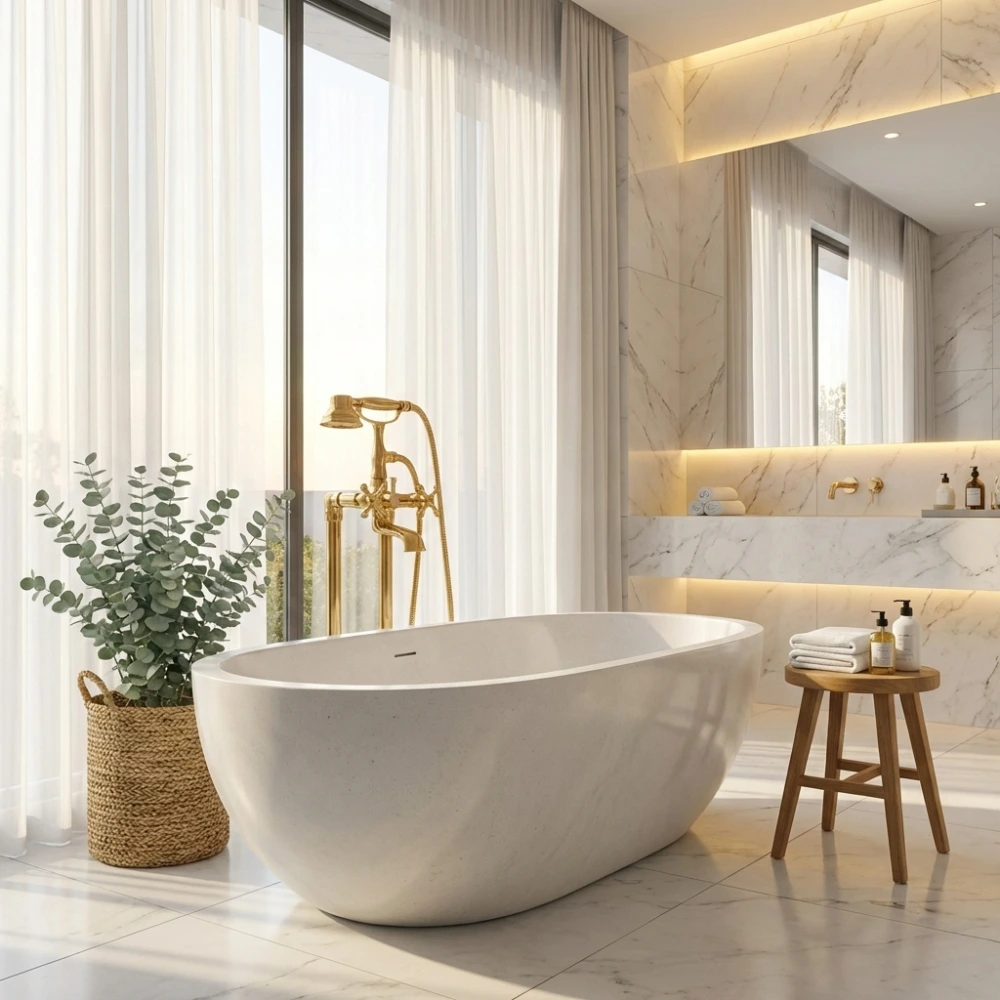
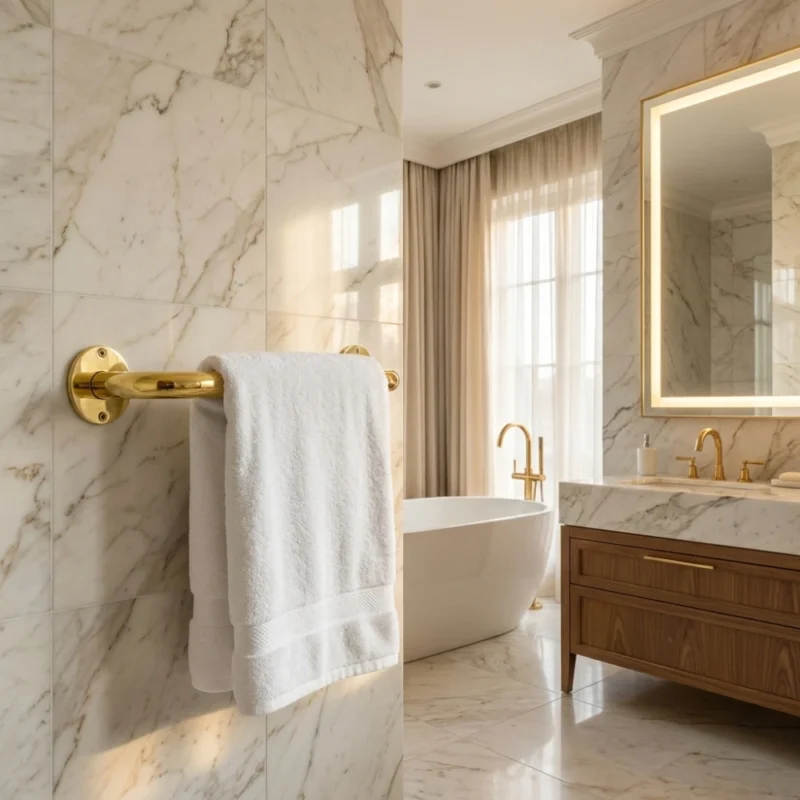
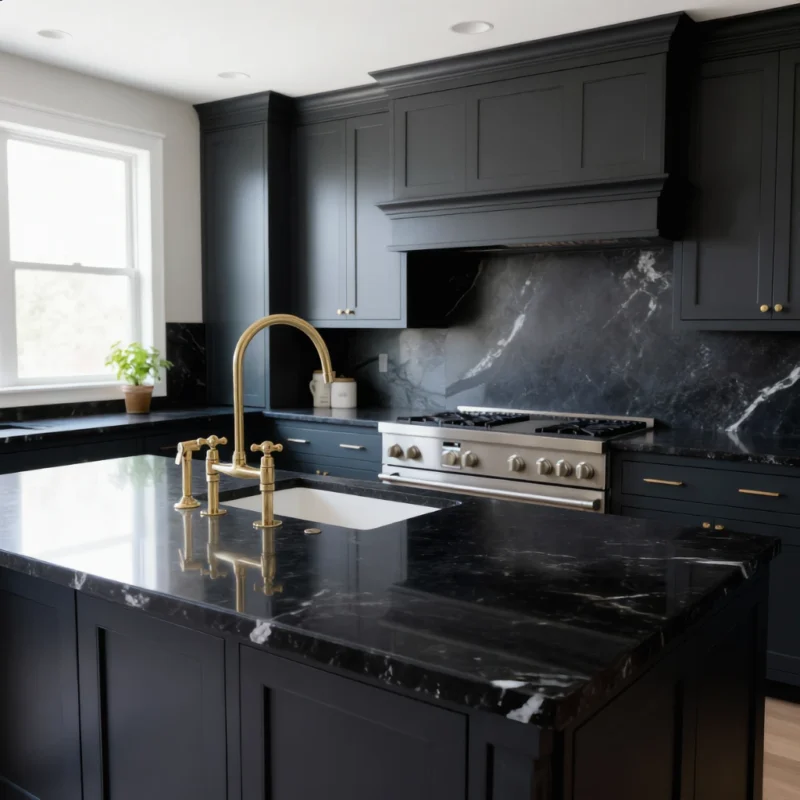
A brand-new brass faucet or cabinet handle has a distinctive look that many homeowners love. The warm golden color feels richer than stainless steel and more timeless than many modern finishes that come and go.
Then something changes.
After a period of everyday use, the surface may begin to darken in certain areas. The shine softens, and places that are touched more often start looking different from those that aren’t. If you’ve never owned brass fixtures before, it’s natural to wonder whether the metal is wearing out or whether this transformation is completely normal.
The good news is that this change is exactly what many homeowners and designers expect from unlacquered brass. Understanding why it happens can help you decide whether this living finish is the right choice for your home.
Why Unlacquered Brass Changes Color Over Time
Yes, unlacquered brass tarnishes naturally.
The key word is “unlacquered.” Unlike lacquered brass, which is protected by a clear coating, unlacquered brass is exposed directly to the surrounding environment.
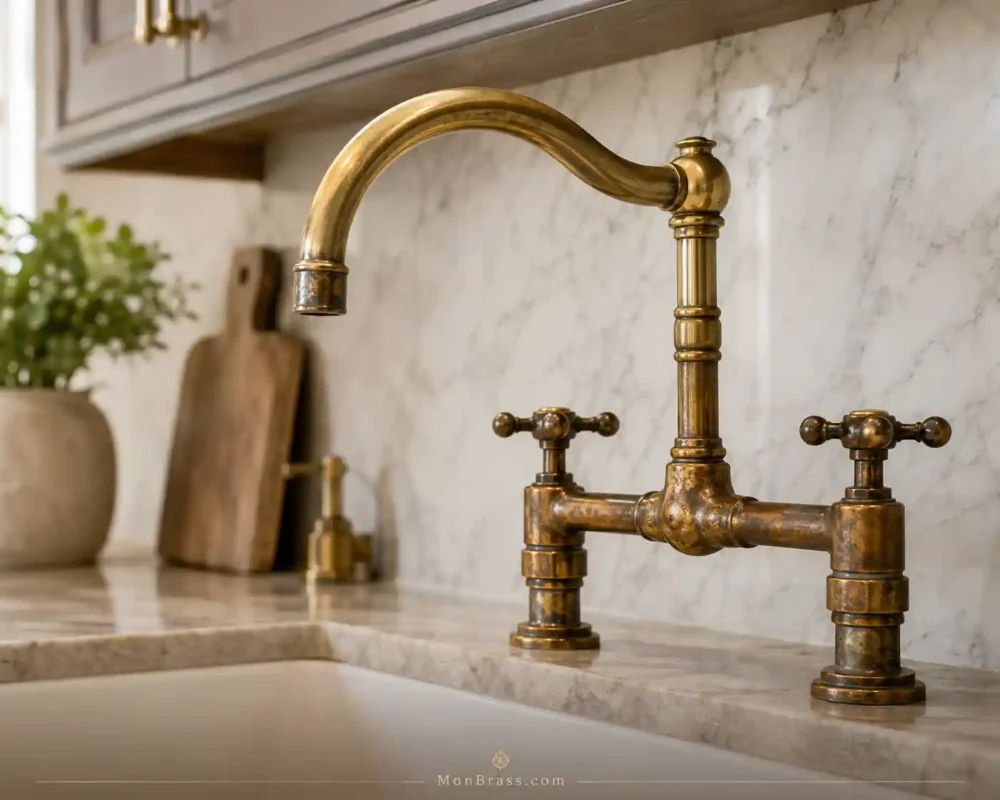
As oxygen, moisture, skin oils, and everyday contact interact with the metal, a natural chemical reaction occurs on the surface. Rather than staying bright and polished forever, the brass gradually develops what is commonly known as a patina.
Depending on the environment, this may appear as softer golden tones, warm honey shades, deeper bronze colors, or, in some cases, small traces of green oxidation. These subtle changes are part of the material’s character and one of the reasons many people choose unlacquered brass over more static finishes.
Tarnish vs Patina: Are They the Same Thing?
The words “tarnish” and “patina” are often used interchangeably, but they don’t always create the same impression.
When people hear the word tarnish, they often think of something dirty, neglected, or damaged. Patina, on the other hand, usually refers to the natural aging process that gives a material depth and individuality.
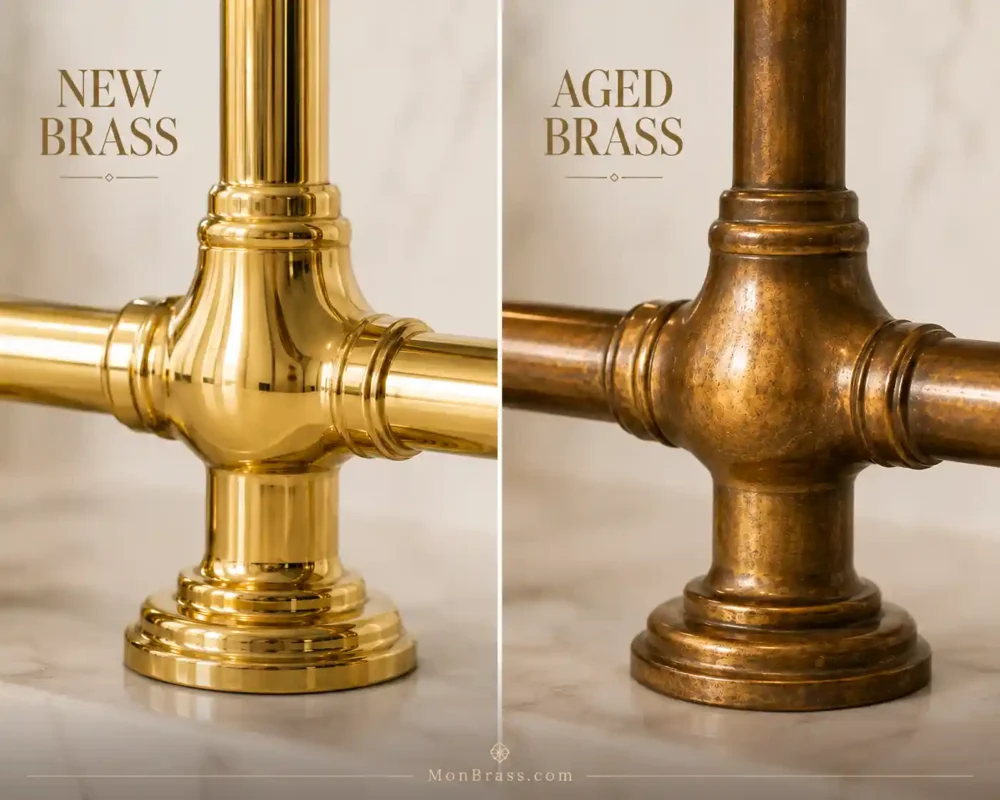
A brand-new brass faucet may have a bright, uniform appearance. Over time, it can develop softer tones and subtle variations that make it feel more lived-in and authentic. Whether you call it tarnish or patina, you’re usually describing the same natural transformation.
Patina Is Not the Same as Damage
One of the biggest misconceptions about unlacquered brass is that any change in color means something has gone wrong.
In reality, normal tarnishing affects appearance rather than performance. It does not mean that a faucet, cabinet pull, or light fixture is wearing out or becoming structurally weaker. In many homes, these gradual changes simply reflect everyday use and environmental conditions.
Many antique brass fixtures that have developed decades of patina remain fully functional today. For homeowners who appreciate natural materials, the evolving finish often becomes part of the appeal rather than something to avoid.
Homeowners who want a closer look at how this transformation develops over months and years often find that the aging process varies significantly from one environment to another.
Does Every Piece of Brass Age the Same Way?
Not at all.
One of the defining characteristics of unlacquered brass is that no two pieces develop exactly the same appearance. A kitchen faucet used every day may evolve differently from a decorative mirror frame or a cabinet handle in a guest bathroom.
Factors such as humidity, frequency of use, water quality, and the surrounding environment all influence the final look. The result is a finish that gradually becomes unique to your home rather than remaining identical to the day it was installed.
Is Tarnishing a Sign of Damage?
No.
This is one of the most common concerns people have before choosing unlacquered brass.
Normal patina does not indicate that your fixture is failing. It simply means the surface is reacting naturally to air, moisture, and daily contact. Actual damage involves issues such as deep corrosion, structural weakness, severe pitting, or cracking, which are very different from the gradual darkening associated with normal aging.
For most indoor residential applications, tarnishing is simply evidence that the brass is doing what it was designed to do.
Can You Stop Unlacquered Brass From Tarnishing?
Not completely.
Because the metal remains exposed, some degree of change is inevitable. While certain maintenance habits may slow the process, no treatment can permanently prevent unlacquered brass from reacting with its environment.
Many homeowners choose one of two approaches. Some prefer to let the finish evolve naturally and enjoy the unique character that develops over time. Others occasionally clean or polish the surface to maintain a brighter appearance. Neither choice is wrong—it simply depends on the look you want your fixtures to have.
If you decide to preserve or manage the finish, using gentle maintenance methods is usually the best approach.
Can You Restore the Original Shine?
Yes, in many cases.
If you prefer the brighter look of newly installed brass, the surface can often be polished to remove much of the existing patina. However, it’s important to remember that polishing resets the appearance rather than permanently changing the material itself.
Once the metal is exposed again, the natural aging process begins anew. Many homeowners eventually find a balance, allowing some character to develop while occasionally refreshing the finish when desired.
Unlacquered Brass vs Lacquered Brass
If you’re deciding between the two finishes, the biggest difference is how they behave over time.
| Feature | Unlacquered Brass | Lacquered Brass |
| Changes Over Time | Yes | Very little |
| Develops Patina | Yes | No |
| Maintenance | Higher | Lower |
| Character | High | Moderate |
| Appearance Consistency | Lower | Higher |
| Ability to Age Naturally | Excellent | Limited |
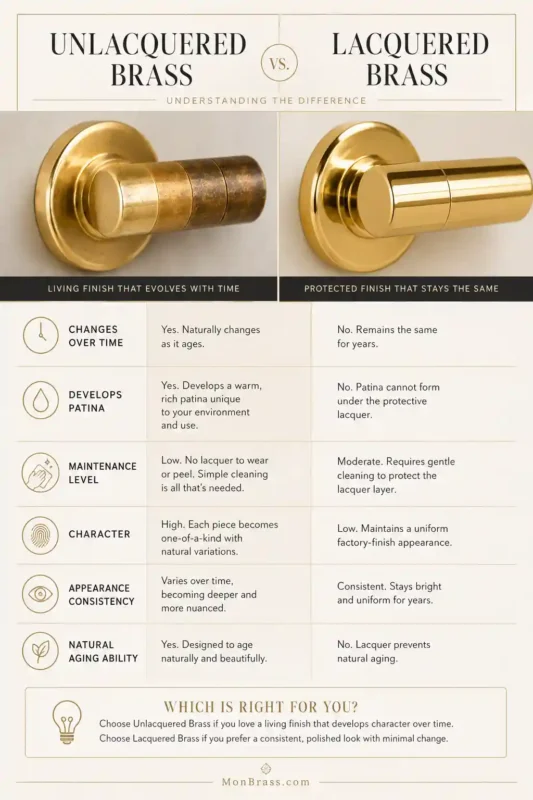
Neither option is objectively better. Some homeowners prefer the predictability of lacquered brass, while others enjoy a living finish that gradually develops its own personality.
FAQ
Does unlacquered brass tarnish evenly?
Not always. Areas that receive more frequent contact often age differently than surfaces that are rarely touched, creating subtle variations across the piece.
Can fingerprints cause discoloration?
Yes. Natural oils from the skin can influence how the surface changes over time, although these marks usually become part of the overall patina.
Is unlacquered brass suitable for kitchens and bathrooms?
Absolutely. Many homeowners choose unlacquered brass for high-use spaces because the finish develops character through everyday use, creating a look that feels more personal over time.
Why does some brass turn green?
Small amounts of green oxidation, sometimes called verdigris, can appear when copper within the brass reacts with moisture and environmental conditions. This is more common in humid or coastal environments.
Will polishing permanently stop tarnishing?
No. Polishing removes existing patina, but once the brass is exposed again, it will naturally continue reacting with its surroundings.
Conclusion
The appeal of unlacquered brass isn’t that it stays the same—it’s that it doesn’t. Over time, the finish develops depth, variation, and individuality that manufactured coatings simply can’t replicate. Rather than viewing tarnish as a flaw, many homeowners come to see it as part of the material’s story. Whether you prefer to preserve a brighter appearance or embrace a naturally aged finish, understanding what to expect helps you enjoy one of the most timeless materials used in home design.
